Category Archives: justice

How Art Thou Received? (a prayer for refugees)

How Art Thou Received? (a prayer for refugees)

Imagine: suddenly, without warning (because that is how war arrives) you are a war refugee! Simply running away from being murdered. And how are you received when you can finally stop running, when you are out of range of the guns, the bombs, the blood? No countries to take you. No one to feed you. You are a skeletal pawn in a skeletal game.

Embalmed corpses declare war on the living and fight for their “territory” against other embalmed corpses using armies of young people; embalmed corpses feeding on fresh, young blood.

I know something is very wrong, somewhere. It must be addressed, and addressed properly. Our prayer, our incantation, our spell to heal, must be more powerfully crafted, more distilled, more essential, than was the horrid spell we are trying to break: a tradition of might over right, strong but wrong, a spell of ignorance which has caused so much harm, and is trying to do more… powered by the love of power, the love of control over people.

The scarred parts of the heart can be replenished; the broken parts, glued; the weak parts, strengthened; the fear assuaged, the pain relieved. But the desire to change, to truly alchemize oneself, spin that straw into gold… the gold of the sun… the silver of the stars… the red planet… the North Star… primal navigation by looking not at the ground, but by looking up, to the sky… that kind of desire doesn’t visit often.

If you want to know where you are going, be sure your map is accurate, or at least doesn’t kill you. Migrating birds know this. Power & Liberation. Slave & free. Joy & Suffering. High & low.

Craving slaves, some are trying to roll us back to serfdom, only they can use our own science & technology to rape us! Serfdom: tied by birth to land. You are a pawn, a source of income; in thrall to your Lord and Master. Freeing serfs is always a struggle. Brute force arm-wrestles the human race, and brute force often pins people to the mat, but… you cannot keep people down for long. The oppressed will continue to spring up and defend their inalienable human rights. All people are created equal: including our ancestors, who existed long before the self-anointed first “private property” owners. Human beings are endowed by their creator with certain inalienable rights, yes? The earth cannot belong to any one of us. Period. We own this planet. All of us.


2 Comments

Filed under acceptance, amerka, ancient history, anger, anthem, anthropology, apologia, apology, appeals, assholes, baha'i, beauty, bible, birth, black, blood, born again, buddhist, Catholic, charity, child abuse, child neglect, christian, civil rights, compassion, con man, con men, corporate states of amerka, courage, criminal, criminal behavior, criminals, daughter, daughters, death, development, dream, dreams, earth, easter, emperor, empire, enlightenment, eternal, eternity, eve, everything, evil, evolution, faith, family, father, fatherhood, fathers, fear, fish, flowers, for children, forgiveness, friendship, funeral, gay marriage, girls, god, good, grief, health, heart, hindu, history, hope, human beings, humanity, hypocrisy, identity, idiots, ignorance, jesus, jewish, judiciary, justice, karma, kindness, law, legal system, legal writing, letters, lgbt, life, logic, loss, love, mama, man, manhood, manifesto, marble, marriage, matricide, maturity, mea culpa, men, mitochondria, mortality, mother, mothers, mourning, murder, muslim, mysterious, nature, notes, parenting, passion, peace, personal responsibility, pope francis, pregnancy, rant, rastafarian, regret, relationships, religion, rome, Saint Teresa, science, sex, sisters, soul, spirit, spiritual, spirituality, spring, star spangled banner, tea party mad hatters, teenagers, transcendence, transitions, travel, tribute, truth, ultra right wing loons, Uncategorized, united states of america, universe, users, veterans, war, warmth, wish, woman, women, wood, world, youth, zoroastrian

Love Is A Wound In The Body

illustration liadan 7th century poetess nun

Gain without gladness

Is in the bargain I have struck

–Liadan (7th century A.D.)

Illustration erasmus holbein

But he who hides his sickness

can hardly be brought back to health;

love is a wound in the body,

and yet nothing appears on the outside.

–Erasmus, Paraphrase on the Gospel of John (pub. 1523)

illustration marie of france

What would become of her finer qualities

if she didn’t nourish them by a secret love?

–Marie de France (1160 – 1215?)

illustration mother of sumangala

A free woman. At last free!

Free from slavery in the kitchen

where I walked back and forth

stained and squalid among cooking pots.

–Mother of Sumangala (3rd – 1st century B.C.)

1 Comment

Filed under ancient history, anthropology, art, beauty, compassion, courage, development, dream, dreams, enlightenment, eternal, eternity, everything, evolution, faith, forgiveness, god, good, heart, history, hope, human beings, humanity, identity, justice, karma, kindness, life, logic, love, mysterious, peace, personal responsibility, poetry, recommended reblogs, relationships, soul, spirit, spiritual, spirituality, transcendence, truth, universe, warmth, wish, world

Meet Nana Awere Damoah: The Ghanaian Voice of Objectivity and Reason

A great interview, an interesting dialogue, a thought provoking interviewer! Hallelujah!

Leave a comment

Filed under anthem, beauty, black, courage, development, dream, dreams, earth, enlightenment, eternal, everything, faith, family, friendship, god, good, heart, history, hope, human beings, humanity, identity, justice, life, logic, love, maturity, nonfiction, passion, peace, recommended reblogs, sisters, soul, spirit, spiritual, spirituality, transcendence, transitions, travel, tribute, truth, universe, warmth, wish, world

Edie Sedgwick Discusses Her Early Years, a Monologue/Poem/Story/Lyric.

illustration edie sedgwickI felt I was Gloria, some angel living in her own hallucination of time. We were angels on LSD, on LPS. I was cheesecake, chocolate-dribbled, sexy & asexual, pop-rocks eye candy. Wrapped in a wealthy, yet tragic, past. DEEP BREATH. With my dreamy tones; those slow, hypnotic lyrics, my subliminal heavenly chorus of all that is female, the goddess inside us. Hypnotic, larger than life.

And so were the commercials. We really were all famous for about 15 minutes, but we couldn’t see that, all we could see was right now, right then. The atom bomb age, the Cold War, suicides, the Third World starving to death… children dropping like flies in Africa from famine. India, hit by an earthquake. Viet Nam cranking up, with war profits for the conglomerating corporations; divvying up the spoils of war. Kennedy, dead in Texas.

Be the girl all the bad boys want. DEEP BREATH. Sex turned into a Technicolor rock show, pure fantasy; turned into reality. People started living according to their own fantasies of what the world was like. The awakening grew harder; grew easer; grew harder; again & again.

Material wealth. An intoxicant. A drug. Addictive behavior. Spread it around. Moderation in everything. Reasonable assumptions? No? DEEP BREATH. Spell it the fuck out. Rules-based understanding. It takes me a long, long, long time to learn all the rules, all the techniques, all the subtleties. But when I figure something out, I have fucking figured the fuck out of it! DEEP BREATH.

I’m a dreamer; I’m a practical schemer. I’m a dreamer with a BMW; I’m a bad-ass schemer; I’m a waterlogged dreamer; I give up when there is trouble; I run like a rabbit. I dig in like a lion at bay.

Falling in love is wonderful. Once you fall in, take care never to fall out. Find something to keep your love alive… anything! Fasten on & fasten hard. In every way, so they say. Rumors fly. Determining actual facts is hard. All the shit I ever believed about myself came true. DEEP BREATH.

So, my body believes, at least. Next, to make my logical mind decipher the hieroglyphs. DEEP BREATH. Then my heart shall feel; then my soul shall live. DEEP BREATH.

It’s what Andy always used to say: artists are artists, no matter their profession or occupation or job or outward circumstances, and artists are the commodities of the very wealthy. DEEP BREATH. We’re all falling prey.

4 Comments

Filed under acceptance, addiction, adolescence, adult children of alcoholics, alcoholism, ancient history, anthem, anthropology, apologia, art, art history, baby, beauty, birth, blood, child abuse, childhood, compassion, courage, development, dreams, earth, enlightenment, eternal, eternity, eve, everything, evil, evolution, faith, fear, fiction, forgiveness, friendship, god, grief, hope, identity, justice, karma, kindness, life, logic, loss, love, manifesto, maturity, mortality, mysterious, passion, poetry, prose poetry, regret, relationships, sex, short stories, soul, spirit, spiritual, spirituality, transcendence, transitions, tribute, truth, united states of america, universe, war, woman, women, world, youth

Judy Garland and The Banana Tree, an essay


illustration judy somewhere over the rainbowillustration banana tree

A banana tree is a metaphor for life, really… it dies after it bears fruit. It gives its life to produce the next generation. Banana leaves are so useful. Useful when they’re green, and useful when they’re brown. Generation upon generation. That really is a sacred word, generation. WE generate ideas, too. So can’t WE generate more peace, rather than more war? Can’t OUR fuel be love, not hate? Yes, just like the banana tree, sometimes destruction is necessary to create new life… recycling? Reincarnation?

One way of looking at things is to take a leap of faith – decide that when WE die, nothing will be lost; everything will be gained. WE leave behind US a legacy, all of US, shaping the reality of the UNIVERSE. The UNIVERSE is alive through US! The UNIVERSE writes songs and stories and mathematics and music through US! WE are engines! WE are alive! WE are organic! WE, human beings, are evolving right this second! LIFE doesn’t stand still! LIFE adapts, or ceases! LIFE IS EVOLUTION. Trying to cling too desperately to the past is to entomb the SELF in stone, alone, buried alive, dying. WE’RE alive until WE’RE dead.

Value this opportunity. Don’t throw it away. Take care of OUR home, planet Earth. Take care of OUR fellow travelers. Send not a sword, but an olive branch to OUR enemies as well as OUR friends. OUR bitterest enemy may turn out to be OUR best companion. Only time will tell. WE live within moments, WE exist within history, and WE are passionate within the spirit. Train that energy! Use passion to create, not to destroy! Destructive passion, combined with weapons of all kinds, might kill US all. Respond to life with logic AND emotion. Let US use OUR brains and OUR gut. Instead of the falling abyss of dread, the rising flutter of joy… and at the end of life, may WE all have truly, truly, truly found PEACE.

Cue Judy Garland, “Somewhere Over The Rainbow.”

2 Comments

Filed under acceptance, anthem, appeals, baha'i, beauty, born again, buddhist, charity, christian, civil rights, compassion, courage, death, dream, dreams, earth, enlightenment, essay, eternal, eternity, everything, evolution, faith, family, fish, flowers, forgiveness, friendship, god, good, heart, hindu, history, hope, human beings, humanity, jewish, justice, karma, kindness, life, logic, love, manifesto, marriage, maturity, muslim, mysterious, nature, passion, peace, personal responsibility, rastafarian, relationships, soul, spirit, spiritual, spirituality, transcendence, transitions, travel, tribute, truth, universe, warmth, wish, world, zoroastrian

Inside A Red Heart, a short story

illustration inside a red heart

Inside A Red Heart, a short story

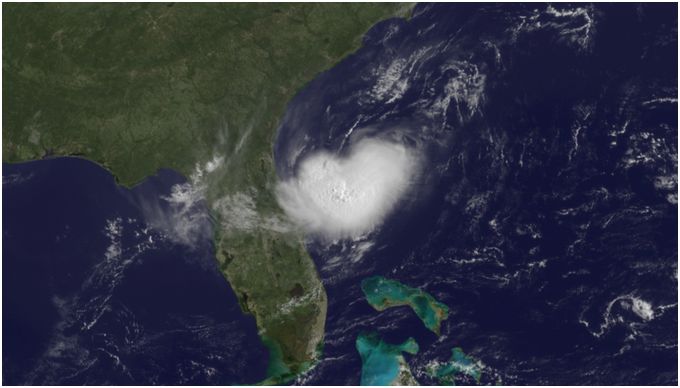
Ella’s life hadn’t always been like this. It was hurricane season, always the worst part of the year, but especially so this time. The cheap, post-divorce apartment Ella had moved to had flimsy sprayed-Styrofoam interior walls so thin she felt she could easily stick a pencil through them. The doors felt like balsa-wood, so hollow and weightless she couldn’t even slam them when she got mad, only sweep air currents through the frames. The rooms were carpeted wall-to-wall in a sticky celery-green shag which she could not bring herself to walk on barefoot. Hurricane preparations were meaningless in such a place, like diamond jewelry on a dying prostitute.

But today, Hurricane Naomi was 52 miles offshore, moving steadily along a stubborn, eerily direct path toward Ella’s apartment, when her father decided they’d better start getting ready, taping the windows. “They say this doesn’t help in the slightest,” she told him after finishing the first window, her arms already trembling and aching from reaching high over her head. She wanted to be an eagle, aloft without moving. “Even in a solidly built building,” she added spitefully.

“I don’t care what they say,” he said. “At least it’ll keep the broken glass from taking our eyes out.”

They finished taping over the second set of windows. She looked up at the sky; the brittle palm-fronds rattled and shook like frantic spiders. The bamboo rustled, probably full of rats. Tiny ants raced back and forth over the side of the house in some sort of military maneuver. Dropping hibiscus blossoms had stained the sidewalk red. A crushed bug was what captivated her attention. A sudden gust of cool air rushed over her neck, then after a moment everything stilled and the sun came out from behind the clouds. Against the dirty gray sky it looked abnormally bright.

“You look good in sleeveless tops,” her father said. “You should wear them more often.”

“Since when do you care how I look?” she asked.

“Is that how you usually take a compliment? No wonder you’re single. Forget I said anything,” he said. “Go inside and get the rest of the tape, please.”


Ella was mad about everything. Men especially, all the men she’d tried to get along with to no avail. Now, even strange men spitting on the sidewalk made her gag and retch. The phone rang — it was another man trying to sell her something. Listening to his voice on the machine, she decided she didn’t want any more goods or services, ever. She was fully capable of ignoring the outside world for weeks at a time. Finally, when her mailbox was stuffed so full nothing else would fit inside, she’d empty it and burn the contents.

After her divorce, she had refused to bring any of the old furniture from the house, not a stick. Granted, none of it was in such great shape, but she certainly couldn’t afford to buy new. Instead, she slept on a clammy air mattress for months, kept her clothes in cardboard boxes. Friends told her she was an idiot for not taking everything she could get from that tiresome lying hypocrite she’d married, but she just glared and shook her head, pressing her stubborn mouth against her teeth so hard her lips bleached white. Nobody knew how she managed to pay the rent or bring home groceries on what she made. Flying bullets couldn’t have been any more stressful than this, she thought.

There was a vague analogy between Ella and the rest of the world, that was all. She tried to understand men, but couldn’t quite manage it: they spoke, their lips moved, and sound issued forth, untranslatable. How was it they rose out of bed every morning so chipper? She was missing something they had. She navigated through her day like a ballerina dancing on broken glass.

When they’d finished taping the windows, her father poured a second cup of coffee for both of them. Breakfast consisted of coffee with plenty of cream. There was the long day to get through, then they were going fishing that night off the pier. They would stop at the bait shop for a bucket of shrimp and they would get ice cream cones — mint chocolate chip — and they would sit with their poles and wait for a nibble. Every now and then, without intending to, they’d sideswipe the truth.

He was visiting Ella for a week. He lived down in the Keys now, where he had always wanted to live; he loved to fish. Her mother had died three years ago, totally unexpected. No cancer for her, just a heart attack, plain and simple. Her parents had been happily married, but as soon as her mother died her father sold the house and went as far away from his past as he could get. Illness, for Ella, was something she would not allow time for, in that way she was exactly like her mother — though Ella wanted a good, solid tomb as a memorial when her time came to be one of the dead.

Her dog growled at her father as he moved his feet under the table. Ella’s crazy dog — he growled at everybody but he didn’t mean anything by it. He had long white whiskers and a moth-eaten coat.

“That damn dog,” her father said.

“I know, Pop,” she said.

“I don’t know why you put up with that,” he said.

“He’s harmless,” she said.

“I suppose he’s a good watchdog,” her father said.

“Not really,” she said. “He only growls when it’s someone he knows.”

“You mean he doesn’t growl at strangers?”

“No.” She laughed. Was he going to find a moral in this somewhere?

“Should I be flattered that he growls at me, then?”

“Sometimes he even growls at me.”

“I wouldn’t keep a dog like that.”


Since childhood, she’d loved to watch her father bait fishhooks. His long hands were careful and slow and the deliberateness of his touch delighted her. Not like her — she’d been falling over herself since puberty. Invariably she felt like a nuisance underfoot. She missed the neat quick grace of childhood. Whatever synthesis produced her from her mother’s and her father’s body, she couldn’t now imagine. Her father’s laughter was musical — her mother’s and her own like the braying of an ass. She secretly decided her mother had been cheating on him with someone else when she was conceived.

Until adolescence she’d been a precious little thing — then a hostile barrage of hormones turned her into somebody she didn’t even recognize: braces, knobby knees, confused skin, rebellious hair. To call her a girl was a misnomer of the highest magnitude. Something dark had entered the world along with her own blood the first time she got her period.

Once, in high school, her father had walked in her room without knocking and caught her masturbating; what a shame, he said, if you didn’t have so many pimples you might be able to get a boy to do that for you. His mind, like his body — like his heart — was angular; without softness; without love — he wouldn’t give her a second chance. The walls had zoomed in and out like they were breathing. She remembered the dress she wore, white with red and blue sailboats. Just like a ship being launched, only she kept running aground.

To this day, she wore only plain pearls, believing her skin too pasty to carry color. The only exotic thing about her was the color of her hair. Her hair was the color of rust; decaying iron. Growing up, her father never told her how pretty she was. But one night after a bad dream he took her back to her bed and rubbed her back.

Woken in the middle of the night like that, he was a different person, wordless and gentle. He’d held her so tight she couldn’t inhale. His silent, bulky warmth radiated through her and she wasn’t scared of anything. Everything in her room was painted either blue or green — how was painting any different than telling a story? He started rubbing her arm below the elbow; she was his. She wanted him to touch her underneath her nightgown but he didn’t. It made her feel awful to remember that now.


The TV was on with the volume turned down, and she was tracking Naomi on a grocery bag chart. She perched stiff on the couch, uncomfortable in her ragged cutoff shorts. Her father took a chair from the dining table and sat on it turned backwards, leaning toward her, his big perfect hands hanging over the chair’s back, his legs spread out like a cowboy’s. The dog growled from under the table.

“If you died right now,” he said, “you would go straight to Hell because you haven’t accepted Jesus Christ as your personal savior.” Pop loved his simple theories. He loved his cut-and-dried formulas. From the time her mother had died, her father had become born again and worried far too much about the condition of Ella’s immortal soul.

“How do you know?” she asked. “Isn’t God the only one who can judge a person?”

“It’s very simple,” he said. “Right now you’re a Nonbeliever. Nonbelievers go straight to Hell.”

“Says you,” she said.

“Says God,” he said.

“So according to you I could break every single one of the Ten Commandments, but as long as I accepted Jesus one second before I died, I wouldn’t go to Hell?”

“God’s grace,” he said. “His gift to us. Ask, and you shall be forgiven.”

Her father was telling her to ask for forgiveness! Selling all the gifts he’d ever given her and frittering the money away with nothing to show for it appealed to her. The flowers he sent for her birthday always wilted immediately, anyway.

“So God will forgive me for whatever I’ve done,” she said. “But will you?”

“First, you have to ask,” he said.


Hurricane Naomi wouldn’t arrive until tomorrow or the next day. Though at first Ella had looked forward to fishing off the pier, dusk arrived too soon; the coming darkness was like a funeral shroud. Her father drove his old rattletrap pickup truck towards the beach like it was a priceless antique. At the bait shop, they stood in line behind a girl, about 10 or 11, and her mother, also buying bait. The girl got into a silly argument with her mother about what they should buy, what sort of bait. “Shut up,” the girl said to her mother. Ella recoiled. Was there ever a place to be, truly, anonymous?

She remembered a time she’d told her own mother to shut up. Upon hearing, her father had slapped her across the face and broken her glasses. Her skull buzzed for a long time afterward, her jaw aching where the heel of his hand connected. She didn’t believe she’d been the same person at all back then.

She almost never cried in front of him, and especially not then, not about being slapped: she flat-out refused her tear ducts the indulgence. Nothing physical he did could get her crying — he had to use his voice, his drawling sarcasm, to knock her senseless enough for tears. She’d be so ashamed to cry in front of him like a big, blubbering idiot.

But then, getting her fishing pole ready over on the pier, a hook jabbed her finger. She’d been stabbed with hooks before; she didn’t remember it hurting so much. Was the air pressure from the coming hurricane making her stupid? She sucked blood out of the puncture. Her eyes started to sting, her throat to burn. She froze, her body paralyzed by embarrassment. She couldn’t help it, she started to cry, the convulsions shaking her.

“What’s the matter?” he asked. “Is your finger that bad? Let me see.”

“It’s not my finger,” she said, still in the grip of the horrible tears. He took her hand and held it close to his face, peering.

“Doesn’t look that deep,” he said.

“It’s not,” she said. Her nerves were strung out, yes, aptly put — as if her spine had been stretched, her entire body hanging off it in tiny sections which at any moment might start whirling away in terror.

She grabbed his shoulders and stood on tiptoe, leaning into him with all her weight. She kissed him full on the lips, pressing the whole length of her body against him the way she had when she was still too young to know any better, and for once he actually let her. She kissed him as though her life depended on being kissed back. And it did. And he did.


He had never told her she was pretty until after her mother died. Family tradition was for the parents to wait, remote icebergs, for warm currents of love to reach them from their children. She didn’t see the harm in that. The truth was, she had always wanted him as much as he wanted her. Tall and silvery-blond, his pool-water blue eyes fringed with gold lashes, he was still handsome for his age. He only smoked those awful cigars when he fished. Since her mother died, he hadn’t so much as looked at another woman, romantically speaking.

Even her ex-husband had been jealous of her father. He, her husband, was smaller than her father in every way measurable, emotionally as well as physically. Her ex-husband was such a small man. He had mewled incessantly about his boundaries, his boundaries — which didn’t keep him from stalking her and her post-marital lovers whenever his feelings were hurt. But if she read his journal, she was guilty of a great crime. What were boundaries, anyway? Even her ex-husband’s new wife was commiserating with Ella now about his smallness.

Too late, Ella had figured out she only got excited by what was forbidden, by a body’s unfamiliarity to her. Anybody like her who chose to marry was making a mistake. Once a thing became familiar, that took all the life out of her desire. She and her string of relative-stranger lovers ate Chinese takeout in bed, soy sauce dripping on their skin, which added another flavor to their mouth play. Fried rice, hot and greasy.

What neither Ella nor her father talked about that night on the fishing pier or any other night was how, way back when, she had left the back door unlocked one day and the baby, Ella’s little brother, had gotten into the backyard unsupervised and drowned in the canal. The water had seemed too shallow for anyone to die in. She was eleven — the next day she bled on her underpants for the first time. She wondered which was the bigger reason her father never looked at her the same way again.

Just now her father’s lips had tasted like his cigars, sour and sweet all at once, when she kissed him. Ella removed herself from his arms only after her skin against his grew slick with perspiration. The two of them finished up their bucket of shrimp after that, but they spoke little and caught nothing worth keeping. Back at her apartment with its ridiculous taped windows, her father began packing his small suitcase. The bellicose dog lay on the armchair across the room, for once not growling. “Damn hurricane,” he said. “Maybe I can get all the way home before they evacuate the island.”

“Are you crazy?” she asked. “You’ll have to leave again as soon as you get there.”

“I don’t think I can stay here tonight,” he said.

“You’re blaming me, aren’t you?” she asked. “Like you always do.”

“It’s not that, Ella,” he answered. “It’s got nothing to do with that.”

She touched his arm, and he flinched, then caught himself. “It was all my fault,” she said.

“No, it wasn’t,” he said. “If you’re asking, I’m answering.” He looked up from his suitcase, and for the first time all day his eyes looked old and tired. “Please don’t ask me to stay,” he said.


At midnight she sat awake, wondering what would happen next. Nothing good, she imagined. She didn’t know how she’d become such a curiosity. She was looking for what had gone wrong with a vengeance. Rooting through out-of-date phone books, through cards and letters she’d kept packed away since college. Excavating her past life, like an archeologist, was a great haven of sanity; as soon as she opened the first box, she felt safe from the present, it was suspended from happening, nothing more would ever happen to her until she straightened out all the previous mistakes. A pale blue chiffon scarf of her mother’s was folded underneath a stack of them. She was perennially accused of wanting to rehash the past. But it hadn’t been properly hashed over the first time, couldn’t any of these dolts see that?

A spider laid in the bottom of the box, its legs curled tightly. Though clearly dead, she worried lest it should somehow jump on her. A handmade Valentine’s Day card stuck out of the jumble like a sore thumb. The card was unsigned, but she recognized the handwriting. It was hers. She’d drawn a picture of a naked man inside a red heart. Her first boyfriend, a creative type, had insisted they make each other cards. How had she ended up with all this stuff? Ella flung herself back onto the bed so hard her teeth snapped together and she bit her tongue. Her bones ached. Her desire was killing her; she didn’t even know what it was she desired. She had to get out of the house for a bit, hurricane or no hurricane, or she’d go nuts.

She dragged her quivering dog — not so crazy after all — out to the car and drove over to her parent’s old house through Naomi’s outer fringes. Thunder rolled above her along with heavy sheets of rain like pronouncements from God. The dog cowered in her lap. She turned the car engine off and got out, the dog in her arms, hiding his head in her armpit. She stood searching the horizon, letting the rain wash over her face. It was the same whenever she made love to a man, she made sure to shower afterward.

Behind the house she’d grown up in, behind the canal her baby brother had drowned in, sat the northern edge of the Everglades. A flat, wet landscape — one she never tired looking at. Dun-colored saw grass, rippling under the steady currents of wind, stretched as far as she could see. Her mother’s chiffon scarf, monogrammed with her maiden initials, was her new good-luck charm. There was, as usual, no witness to her actions.

At least I’m brave enough to come back here, she thought. Her hair blew into her eyes and she held the dog tighter. She was startled when from behind her headlights moved over the undulating saw grass; she turned to see who it was. Squinting against the light, she saw her father’s tall figure get out and stand next to the car, calling and waving — she couldn’t hear much of what he was saying over the wind but she could tell he was crying. Like a flag on a pole, her mother’s scarf whipped in the wind around her neck, causing her to lift her chin and stand taller and straighter than she had for a long time. She could feel it. Her life was going to change.

5 Comments

Filed under childhood, compassion, daughters, death, development, divorce, ella, eternal, father, fathers, fiction, forgiveness, girls, health, heart, hope, justice, karma, kindness, life, love, marriage, men, mortality, mourning, mysterious, personal responsibility, regret, relationships, short stories, soul, spirit, women

September 5, 1980, a letter to my Nana

img097

September 5, 1980

Dear Nana,

I am sorry I didn’t send you a birthday card on time. I didn’t forget, I bought a card and addressed it and put a stamp on it and everything, I just neglected to drop it in the mailbox. And since it was late anyway, I figured I would just save up some money and get you a present to go along with it. So just prepare yourself for an extra-special present. I won’t give you any hints, either. So just sweat it out.

Everything is going just fine. My job is going well, except the work is not all that interesting. But at least I have plenty to do. Mr. Perkins is in Canada right now, doing some work for the Canadian government, so that’s why I can write this letter at work. Because there’s not all that much to do.

Has Mom gotten me an application for the U. of Fla.? I’m going to apply to U.C.L.A. also. Then when the time comes I will have two options. But no matter what I decide I will be home for Christmas. So don’t worry about that. I wouldn’t miss another Christmas with all of you. I’ve already missed two. So no more.

I almost got a dog the other day. They keep dogs at work, two of them, and there was this other dog that started hanging around. He was a stray and he was really skinny. Then about two days ago he showed up limping. His hip was all out of joint, and he was scared of everybody. So I told Mr. Perkins about it and he said that if I could catch him and take him to the vet’s that he would pay the bill if it wasn’t too much. So I caught him by feeding him and then grabbing him. I took him to the vet’s and they X-rayed his hip but it was too badly crushed and it would cost over $300 to fix it. So we had him put to sleep. I felt so bad about that. I cried and cried. You know how I am about animals.

I have decided to major in prelaw. It’s a big decision but it’s something that I want to do. A lot of reasons persuaded me. And besides, lawyers run in our family. This is the fourth generation – your dad, mom’s dad, and my dad, and now me. I’m the first woman to do it. It’s about time the women in this family took advantage of their brains. Grandpa Geremia says that we’re smarter than all the men anyway.  Look at Mom!   She’s got a lot upstairs, and the only reason she didn’t get a chance to take advantage of it is because she’s a woman and women are the ones who get the short end of the stick always. I’ve really been getting interested in promoting women’s rights lately.

Throughout history, men have had all the power. And I’m tired of it. I heard on the radio that women comprise 53% of the population, yet in the Senate there are only two women. 2 out of 100. That’s certainly not even close to equal representation. Women don’t even get respect. At work here, I’m treated like some cute little girl who is just learning to tie my shoes. And I resent it. Of course, I don’t complain because I need to get along with these people, but I resent it all the same. I read in a book called The Women’s Room that “people may hate niggers and Puerto Ricans and Chinks, but at least they are afraid of them. Women don’t even get the respect of fear.” And it’s so true. Look at you, Nana. You have the makings of one hell of a politician in you. You’re a terrific leader. You have charisma. But you haven’t done it. Maybe because you didn’t want to, but maybe because you were afraid. Oh, I don’t know. Remember when they wanted you to run for City Council? You could have won easily. You could still win. I think you ought to do it. After all, Reagan’s over 68 years old and he’s running for public office.

By the way, do you know what I’ve heard about Reagan?

  1. He believes in astrology.
  2. He accused Carter of being in cahoots with the KKK when he himself refused to address the NAACP.
  3. When he was governor of California, he wanted to cut down the Sequoia trees in the parks because he thought that “once you’ve seen a tree, you’ve seen a tree.”
  4. He set troops out to quell student protest when the students had stated their pledge of nonviolent demonstration.
  5. He’s against abortion even in cases of rape. True, not many women who get raped conceive a child due to the trauma of it, but it does happen. And why should a woman give birth to a child of rape?

True, Carter is in many ways no better than Reagan. But I don’t want to vote for Carter, either. I want to vote for Barry Commoner. Barry Commoner believes in solar power, he wants to bring back the railroad system as a form of mass travel, he doesn’t believe in war and huge military budgets for no reason, and he believes in letting people come first in government. He believes in the nationalization of the energy industry. No one is perfect, though, and I realize that campaign promises are sometimes just that, but I feel that Barry Commoner is a better candidate than either Carter or Reagan. But he’s not perfect, either. I’m not being swayed by some Godlike figure or anything. He’s just an ordinary person.

Let’s talk about the nationalization of the energy industry for a moment. (Don’t I sound grown up, Nan?) Did you know that one of the reasons nuclear power plants are becoming more widespread even though they’re so dangerous is that the oil companies own all the uranium minds? The reason no one has developed solar power yet is because the oil companies can’t buy the sun.

Let’s face it, sooner or later we’re going to run out of everything – coal, natural gas, oil, even uranium. The only thing we will have for billions of years is the sun. Everything on this planet was created by the sun. The oil was made from algae deposits that were fueled by the sun. The sun is a clean, safe source of energy. So why don’t we use it? Because it’s also free. There’s no way to rent sunlight because it’s free. No one can own it. So the people who control this country, i.e., the huge conglomerate corporations, aren’t too thrilled over the prospect of unlimited amounts of free energy because they’ll go bankrupt.

Now, don’t get me wrong. I’m not against free enterprise or anything. What I am against, though, is when the profit margins of Exxon go up 200% in one year. That’s going too far. Profit is fine, but 200%, when the whole world is being squeezed dry because of the high prices of fuel? That’s un-humanitarian, and disgraceful.

Did you know that Nestles, the chocolate corporation, also manufactures infant formula? In third world countries like Nigeria and India and the like, they were telling uneducated mothers that infant formula was superior to mother’s milk. At precisely the same time, doctors in this country were finding out that mother’s milk was in fact the best thing for babies. That nothing was superior for infants. But did Nestles stop telling them that? No. Their profits in this country were going down because of the drop in sales, so they had to make it up somewhere else. By fooling poor, uneducated, starving people. That’s the kind of thing I’m against.

I guess I’m getting more political in my old age.  That’s why I have decided to major in prelaw. So I can do something about the things that I feel are unfair. Or at least I can try. Like I said, I’m not against free enterprise. What I am against is exploitation and un-humanitarianism.

7 Comments

Filed under ancient history, compassion, development, earth, enlightenment, eternity, faith, forgiveness, god, heart, history, hope, humanity, identity, justice, karma, kindness, law, legal system, life, logic, love, maturity, nature, peace, personal responsibility, science, soul, spirit, spiritual, truth, universe, woman, women, world, youth

Catalyst to a Potato, a poem

illustration catalyst to a potato 3

Catalyst to a Potato, a poem


Can I perform the miracles of earth, sun, water?

Can I be the warmth that gently pries open

eyes, that coaxes forth pale shoots, that causes


hardness to soften to green? If I throw the potato

against the wall again and again, will I ever cause

the potato to change? For so long, I tried to form


myself in the potato’s image. I tried to become

round, dense and heavy with stability, I tried

to protect myself. It did not work, it failed.


Now all there is left is her, one small girl alone

in the world. Her lips are redder than mine ever

were. Her shoulders are strong, she is not fragile.


You were the potato, the one I could never change.

Lobbing you again and again brought no result,

no visible difference. Yet in your eyes I am


the one who remained indifferent. I am not

ashamed, yet I am the one who needs to change.

You want only to rebuild. Take stock of your


small garden, not everything there is sound.

There is no such thing as healing. There is only

covering over, sweeping under, tamping down.


You know we will never love each other again,

yet you do not weep. This time I will not do it

for you. I am finished with praying for miracles.

3 Comments

Filed under ancient history, anger, apologia, compassion, development, divorce, earth, heart, justice, karma, logic, love, marriage, maturity, mea culpa, mourning, mysterious, nature, personal responsibility, poetry, regret, relationships, soul, spirit, spiritual, truth

The Nearness of Heroism, a short story

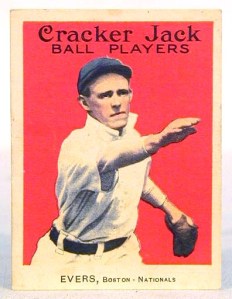
illustration the nearness of heroism cracker-jack-eversillustration the nearness of heroism

(Originally published in The Paumanok Review)

The Nearness of Heroism, a short story

They tell me he was the first man I ever saw nude; that when I asked him, pointing, in my high, three-year old’s simper, what “that thing” was, he didn’t even flinch. He stood in the big tiled shower stall, holding the door ajar with one hand, toweling himself off with the other.

“I’m a little teapot,” he sang, in his exuberant tenor. “Short and stout. This is my handle, this is my spout.”

They say I stared, and then frowned, running out to demand of my grandmother on the spot — I want to be a little teapot! Show me my spout! Where is it? Where is my spout?

Where, indeed? If only the gulf could have been reduced to those dimensions. Am I wrong to feel we would have been closer, had I been a boy? Would he have loved me more, or less?

***

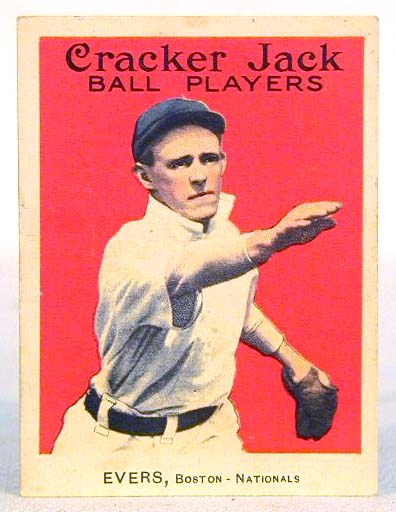
I liked to sneak up on him while he used his glove, just out of the shower, a white towel tight around his waist, his hair slicked back, parted precisely. Even from my earliest memories, the old baseball glove was missing one or two fingers, the ball deprived of whole sections of its leather wrapping, worn through to the string-mended core in several spots. Both glove and ball had darkened to the color of cured tobacco, carrying a sheen of sweat-polished grime that lent a gleam akin to the finest shellac. Arms moving, hands a blur, he would move in automatic rhythms of meditation, pounding gloved fist with clenched ball as his lips moved, the words inaudible, his gray eyes focusing up and out at an angle, viewing a corner of patterned plaster, seeing something I wanted to share but couldn’t.

Then he’d notice me. He’d stop in mid-pound, his mouth open for an abrupt chuckle, too embarrassed to be embarrassed. “Hey there, lady,” he’d say, the broad vowels of his Brookline childhood making his words seem exotic.

He kept the glove and ball on the highest shelf of his closet, a level I couldn’t reach, not even with a step-stool.

***

He was, in fact, the only male presence in my life, even after I started to dwell on the concept of boys, the one I ran to in the early morning — crawling into his bed, burrowing deep under the covers, where he sang the old songs he’d learned from his Irish mother and held me in his arms, my nose burrowing into his soft feather pillow, into his wrinkled cotton pajamas, seeking out his bitter-tea-with-lemon smell, seeking out his body’s distinctive shape and radiating warmth, which possessed a steely eloquence no less comforting than my grandmother’s padded torso. Since he was home with us every day, having retired years before I was born, I didn’t realize he was different from other men, other fathers, who were defined not by their presence but by their absence.

“Oh, you dirty little devil,” he’d sing, “Does your mother know you’re out? With your hands in your pockets and your shirttail out?”

I would hear my grandmother fuming from across the room, not speaking but moving the various brushes and trinkets around on the glass-topped surface of her dresser with snappish clinks and taps. At other times, whenever he knew she disapproved, he’d make disrespectful rubber-faces behind her back until my face couldn’t keep a secret any more, and, looking at me, she’d see some sign of what was going on, then wheel indignantly, catching him in some fish-lipped, pouting impersonation of her, their demeanor so ridiculous, so upside-down, that for a moment it seemed that he was a small boy again, no one’s husband, and she his strict governess, no one’s wife.

***

He was related to me by marriage, not by blood, something that seemed to bother him a lot more than it bothered me, especially near the end of his life. From the very beginning, I had pledged my allegiance to him, had given him that affirmative declaration of the heart, and for a short time, during childhood, it seemed that he had pledged the bond in return and accepted me as his own. Not even in dreams did I measure him any differently than I measured his wife, my grandmother. As I grew older, however, and he grew more and more frail, the absence of an actual cell between us appeared to chip away at his feelings. “I don’t have any family of my own, you know,” he’d say, gazing at me as if for sympathy, never knowing how caustic the mild-sounding words were to my ears.

“I’m your family, aren’t I?” I asked him, the first time he brought it up, but he shook his head, smiling at me with a thin-lipped yet dreamy smile.

“It’s not the same,” he answered.

***

On various occasions, as his health became less certain, I promised him one of my eyes, one of my ears, one of my kidneys, half my heart, half my liver, half my stomach: everything and anything he needed to survive, anything he might need to be comfortable, which I swore to give to him when he got “old.”

***

In my last year of college, I had a boyfriend who got physical with me on several occasions. Nothing serious, no marks: a thump on the head with one knuckle, a scuffle in the yard, pushing matches. One day I reacted badly, bolting my apartment door and calling home. He answered on the first ring, but, having expected my grandmother, I found I couldn’t stop the tears. His voice deepened, becoming rough around the edges as he interrogated me. An old man, on six kinds of heart medication, he swore he’d drive the four hundred miles and teach the boy a lesson.

“No, Grampa,” I said. “It’s all right. I’m breaking up with him. Don’t worry.”

“Call the police if he comes to the door again,” he said. “Have him arrested.”

This reaction, despite his often-repeated joke: “Never hit a woman,” he’d say, shaking his head, staring at my grandmother’s back. “Use an axe.”

***

His fourth heart attack came only days before my wedding. He managed to walk me down the aisle anyway, spiffy and broad-shouldered in his plain black dinner jacket, a single pink rosebud clipped to his lapel. Since both my parents were dead, he was “giving me away” to my fiancé, a practice I found offensive on feminist grounds, because it seemed to exclude my grandmother from the giving. So we compromised: when asked by the priest, “Who gives this woman?” he was to answer, “Her grandmother and I do.” Except, when the moment came, he said only “I do.” My grandmother, standing in the front row in her baby blue satin lace and picture hat, whacked the prayer rail with her wedding service programme in frustration. The sound echoed off the front wall of the small church and stayed with me for the rest of the day.

Later, at the reception, he was critical of the music we had selected without consulting him: a wandering string quartet. “All your guests are leaving,” he said, after his fourth or fifth glass of champagne took hold. “Why didn’t you have a real band? Some dancing. It’s like a funeral in here.” I trembled all over from the exertion of holding my tongue. Only if I had screamed at him, my face reddening under its halo of white silk flowers, would he have been happy.

***

I was home for a long-overdue visit when the last battle came. Semi-invalided, by then, Grampa moved only from the bed to his recliner, spending the day reading the paper in a slow, deliberate rustle. The television blared for hours each evening, his expensive hearing aids — the same kind Reagan used, he’d told me — plucked from his canals and discarded, tossed into a dainty porcelain ashtray: hand-painted with a rising, twisting phoenix, it was the only memento he had kept from his service in Germany during the war.

He didn’t like going to bed at night, waiting until two or three in the morning to call for my grandmother to help him to his room. Arising no earlier than noon the next day, he’d swear he hadn’t slept a wink. “He snored like a baby all morning,” my grandmother would whisper.

His appetite was slight too, and then one day, nonexistent. Supper waited out in the dining room: over my grandmother’s objections I took him in a bowl of ice cream. He lay against his pillows while I spooned it into his mouth, noticing how he lipped the spoon as I withdrew it, sucking it like a baby. The bowl finished, he thanked me, his voice hoarse with exhaustion. Turning to leave, I heard him start coughing, a deep cough that seemed to come from his gut, his eyes widening under the thick cataract glasses, his cheeks bulging, seemingly an imitation of his old comic fish-face. For a moment I laughed, thinking it a joke, but he put his hand over his mouth and made as if to hold his lips together with his fingers. He was trying to keep from throwing up all over the bed, I realized, running for a basin, almost too late.

After Gran and I cleaned him up, I felt his forehead. It was hot, dry, but the rest of him was clammy and covered with an oily sweat. As I took his temperature, Gran called the doctor, who told us to get him to the hospital right away. When we told Grampa where we were taking him, he shook his head. “Now what’d you go and do that for?” he said.

He looked so small and frail laying there it was a surprise to find I couldn’t carry him — what remained of him was deceptively heavy, as if his bones were filled with lead. It took both of us to get him out to the car. Each step seemed so difficult, so impossible — by the time he lowered himself clumsily into the front seat, he was glistening with a symmetric pattern of droplets, the sweat beading his skin like opalescent sequins.

***

At the hospital, an orderly dressed in green surgical scrubs helped Grampa from the car into a wheelchair. The orderly was tall and long-limbed, and moved with an ease, a lean fluidity born of professional indifference. His arms were the color of imported chocolate, warm coppery highlights underlying the pigment. His arms were like a god’s: so full of life and possibilities, I held my breath as he lifted the skeletal, ashen old body of my grandfather out of the car. I couldn’t say what the orderly’s face looked like other than that it was — like the motion of his limbs — devoid of both pity and scorn. His eyes remained downcast, looking only at Grampa in the chair — and I wanted to speak, but nothing came to mind, only regret at not being permitted to be similarly borne away, out of my own uncertainty and into a place defined by someone else’s ministrations.

The young man’s arms, in that moment, seemed to emit forensic signals, speaking without words to a pain I hadn’t realized was there, the arms themselves justifying birth, justifying suffering, justifying death: paying for perfection all over again — skin so smooth it looked hairless, poreless, as if it smelled of allspice and cinnamon and blood and salt. The arms were immaculately sculpted; the bones just long enough, granting a perfect inertia between muscularity and leanness. The miracle of such arms and skin held my attention like a time-release dose of whatever manna makes heaven heaven, and so it was that I found myself spiraling into an upward-rushing eddy of panic when the orderly left, forever, just seconds later, rolling my grandfather to the admitting desk like so much cargo, then vanishing into the angular whiteness and pulsing fluorescence of the hospital corridors.

***

We left Grampa there, in the midst of a cotillion of duly licensed strangers — what choice did we have, not knowing, not wanting to know, not capable of that knowledge? By not speaking, we maintained a positive attitude. His room seemed comfortable, his nurses kind. His glasses glinted, the reflection obscuring his eyes, as we waved goodbye from the doorway.

By the next morning, he had been moved to the intensive care unit. He was comatose, hooked up to a ventilator, stripped of his pajamas, gleaming plastic tubes invading his throat, his nose, his bladder, his veins — his heart had stopped in the night, from the pneumonia: the doctors speculated he might have had irreversible brain damage before they got it going again.

Machines everywhere, whirring, beeping — my grandmother and I couldn’t even touch him. His chest shook under the ventilator’s control, his whole body quivered. The vent itself hissed, clicking, coaxing his reluctant breath, forcing it when it hesitated. Pushing his lungs in and out without his body’s permission. The respirator had a device to allow him to breathe for himself, if he could, like training wheels on a child’s bicycle, and sometimes he did, but even that primitive desire for oxygen would vanish, and the machine would kick in to bring him the next breath.

We were there when the respiratory people had to change his breathing tube. With the most well-meaning, tender sort of violence, they ministered to the tubes, his whole body curling into a fetal position with the deep, gaglike coughing that resulted. They couldn’t say if he’d ever wake up, or whether he’d come off the ventilator. His arms were twisted, contorted, the hands grasping at nothing with a desperation that made my shoulders quiver in an involuntary spasm of sympathy. I bought him a tiny teddy bear, uncurling his stiff fingers to place the bear against the taut, unyielding palm. His other hand appeared to relax once the toy was in place, but perhaps it was only my imagination.

***

My grandmother and I, without speaking, understood our own feelings clearly enough. We wanted him gone; this kind of life was too painful to watch. We wanted it to come:   but at the same time felt wicked and evil. Who knew what he himself would have wanted? In the end, she signed the thick sheaf of papers authorizing no further “heroic measures.” Each place for her signature was marked with special red removable tabs.

***

In a sort of minor miracle, in several days he did awake, and they removed the intrusion of the ventilator. He was himself, more or less, and knew who we were, but underlying that surface was a terrible confusion. “How’s Jessie?” he asked me calmly, the name of my great-grandmother, dead long before I was born. His memories suffered no restraint; no contradictions existed in his inner flow of time. “Seeing you’s the best present I could have gotten,” he told us. “I’m going to take us all on a vacation when I get out of here.”

He seemed better than he had in years: I left for home, knowing it wouldn’t last; for the first time not wondering whether he would live or not. Later that day, I called him at the hospital from a thousand miles away and let him speak to my husband and my daughter. Say I love you, I told them. Say I love you, Grampa.

***

The next day he slipped back into unconsciousness, gently, easily, as a bar of soap floats downward in warm water. Notwithstanding the papers, the hospital wanted to put him back on the ventilator. No, Gran told them, no ventilator. No more.

***

I asked her what he had looked like, at the end. He lay on his side in the bed, she said, breathing shallowly. He didn’t seem to be in pain. He panted a little, she said, not moving, his face smooth.

I feared perhaps we had decided it the wrong way. Grampa’s doctor, without saying anything, seemed to look at us as if we were bad people, as if we cared more about ourselves than Grampa himself. As if we were selfish.

***

It wasn’t until a couple months after the funeral I thought to look for his glove and ball. I searched his closet first: most of his clothes and things were already gone, and the closet seemed a different space, altered by no longer containing him. When I couldn’t find them I didn’t panic — I knew Gran had put them away somewhere safe for me.

“Where’s Grampa’s glove and ball?” I asked her, not wanting to reveal how much I wanted to have them, now that he wasn’’t there to keep them away.

“What, those old things?” she asked, incredulous. “You wanted me to save those?”

I gaped at her then. The floor under my feet got soft; my knees turned into grating stone stubs lashed together by rusted wire. She was right, in a way, since at the last the glove hadn’t been a glove, just a thumb, the ball not a ball, either, but a roundish wad of wrapped string, its leather covering gone. That was all he’d had left, all I’d wanted: a piece of him I’d thought I was entitled to.

I would have kept them in a little box and looked at them every now and then, touched them with my finger. Maybe, if I was feeling daring, I would have taken the glove thumb and slipped it on, holding the ball in my hand, sliding the brittle thumb piece back and forth over the grimy string. I would have smelled them: a few tentative whiffs of the powdery leather.

***

I didn’t yell at her, there was no point. It was over. In spite of my outward act of forgiveness, I couldn’t help thinking that perhaps what Grampa had said all along was true — maybe people did reserve the deepest sort of caring for their own blood, maybe that kind of caring was inseparable from cells, inalienable from life. Gran hadn’t cared as much about his feelings about the glove as she had about mine, for example. Or was it just that she didn’t care as much about the archival, historical things as I did? Whatever the explanation, it was done: she had not even understood enough to realize the issue existed.

“Why didn’t you tell me not to throw them out?” she asked later. “Why didn’t you tell me you wanted them?”

It was simple: I thought she knew. “I just assumed you’d keep them,” I said. “They meant so much to him.”

“They were ratty old things,” she said. “Just pieces, really. They were unrecognizable.”

***

I told myself that perhaps it was a good thing that the glove thumb and string ball were gone. I’d wanted them for the wrong reasons. I’d wanted something I didn’t deserve. I felt hungry — empty — but without focus, without specific appetite. He — damn him! — was leaving me all over again, and for the third time: the person I’d wanted him to be; the person he’d been; the person I’d wanted him to remain.

I thought of all the other useless things I already had in my personal archives, from my father’s crocheted baby blanket to clothes worn by my mother in college. I thought of letters they’d written to each other before I was born, airmail letters on thin blue tissue, drawn in irregular strokes of faded ink. I thought of brittle brown paperbacks and the curling edges of photographs. We are naked in our mourning, we cannot speak, and we cannot touch.

Grampa was gone; the glove and ball were gone; I was still here. The hell with it — I didn’t want to know, I didn’t want to hear what the dead had to say anymore. Only in dreams would the dead be able to seek me out again.

The dead never say much, anyway, not even in dreams. They look into my eyes, mainly, their own abrim with a solitary sort of gentleness, hoping to inoculate me against what they know is unnecessary sorrow — unnecessary love? — hoping to protect me from whatever it is that only they can see: all the while, nodding their heads in a slow, assured rhythm, a rhythm nearly invisible to the unaided eye.


3 Comments

Filed under beauty, boys, childhood, compassion, death, development, eternal, eternity, fathers, fiction, funeral, god, good, health, heart, history, identity, justice, karma, kindness, life, logic, love, man, manhood, maturity, men, mortality, mourning, mysterious, parenting, personal responsibility, regret, relationships, short stories, soul, spirit, spiritual, truth, universe, warmth, youth

Eat Or Be Eaten, a short story

illustration dog alligator suit

Eat Or Be Eaten, a short story

Annemarie often sat within the bright sobriety of the campus coffee shop down the street from her and Roy’s house. The air there was filled with academic fulmination and the evaporating mists of senseless arguments, much like the state of her marriage. She was acknowledged by the college students as one of those bizarre, florid creatures from the 80’s, and they let her go about her pursuits, unfettered but slow.

“I can’t stand that place,” Roy said. “I don’t see how you can sit there day after day.” His comment, for her, aptly illustrated how unaware he was that her main occupation while there was mulling over whether or not to file for divorce.

“It makes me feel wired,” Annemarie said.

“You can say that again,” Roy said.

“Why don’t you meet me there for coffee sometime?” she said.

“Things are too crazy at the office right now,” he said.

One such crazy evening, after dinner, the air was busy gossiping with itself — Annemarie could feel it fluttering along her cheeks inquisitively, and the moon rose early, bouncing light off the red tiled roof. She put on her ratty ski jacket and then poured herself a tiny refreshment of Scotch, which she imbibed cautiously. Her small thick hands, gripping a kitchen chair like death, were chalky at the edges. The clanking emptiness of the room — of her life — created a milky haze over her sight. For what seemed like the hundredth night in a row, she invited Roy over to the lake on campus to see the alligators. For the first time, he said yes.

They rambled along the verdant avenue and before them flitted two zebra butterflies, as if teasing Annemarie to fly. Her husband, his blank, uncomprehending eyes, was at once her soul and her shame. It was horrible to have people such as him think ill of you, think you were wrong. It was small and ugly and soul-shaking. You felt as if you were coming apart like a cheap paperback, pages from your head fluttering to the floor every time somebody breathed on you. She wasn’t much for men herself — she never learned how to tell a sweet one from a poisonous one and besides, she’d never been convinced there was much difference. But a truly radiant woman never hustles off through life unaccompanied.

A small crowd was gathered on the boardwalk over the water — a leather-skinned old German couple, a tall skinny man with a pot-belly holding a toddler, three young college women with lush clouds of permed hair and tight little asses. A little girl came up with coral roses in a bucket balanced on her hip. The German people spoke softly to each other in German.

“We saw a wild boar on the highway back in the mountains in Kentucky,” said the man with the blond baby. “I thought it was a dog lying on the side of the road. Then I saw its tusks.”

Annemarie’s future, single life would be simple like this, among unpretentious people like these — she’d come see the alligators every night before dark with the out-of-towners. She would hear the gators’ mating calls, the deep bellows in the late spring. She’d appreciate the real elegance of nature. Roy appreciated only his new $60,000 car and his tax-free municipal bonds.

The alligator for this evening was a good seven-footer. It floated perfectly still on the surface of the water, the scales on its back pushing through like a miniature mountain range. Its fat front paws hung limp in the clear lake water. It seemed only a little threatening in the smooth summer light. The gator had a large sly grin.

Roy was from the North – he’d never been around alligators before. Florida was alien territory to him. People from the North always freaked out about the gators. Annemarie wanted to give Roy a thrill. She wanted to overwhelm him with her earthy, sensible, swampy ways. She rubbed his hand humbly and forgot to play the grouch.

“They like marshmallows the best,” the tall, chatty man holding the toddler said. The boy wore a short jumpsuit appliquéd with giraffes. The German couple nodded, the old man pushing his fluorescent yellow golf cap back on his forehead. “Let’s see what I’ve got in the truck,” the man said.

“That?” the little boy said, pointing.

“Alligator,” Annemarie told him. The boy nodded and bit his forefinger.

“Teeth,” he said.

“Yes,” she said. “The alligator has lots of teeth.”

It was strong, it would eat her if it could. That was the way to be, she thought. That was the new simple way she would live, with or without a husband. Eat or be eaten. Roy hadn’t the slightest affinity for animals. Annemarie wanted to live a simple life. She didn’t want to be angry, ever again. Mostly, that was it. She could not afford any more to be bored with living — she didn’t have that kind of time. Her husband had become accustomed to disagreeing with her almost all of the time, as a method of entertainment.

The man with the baby came back with a vending-machine package of peanut butter cheese crackers. Annemarie shivered. Suddenly, she wasn’t so sure about feeding the thing. What if it came up on the bank? She had read how alligators could run 40 miles an hour over short distances. The man threw a cracker in the water near the alligator’s head. The animal whipped its head sideways and took a big gulp of water, inhaling the cracker. They all got a nice view of its teeth. The gator pumped its jaws, as if savoring the peanut butter, and the water clouded with dissolving cracker. Roy stood apart from the group, his face dark and tense. Annemarie leaned on her elbows, hanging over the railing of the boardwalk.

“Did you know it’s against the law to feed the alligators?” one of the young women with big hair asked. Her sharp voice made Annemarie jump.

“Really?” Annemarie said.

“Is that so?” the tall man said.

“It’s a felony,” the young woman said. “And there’s a fine.”

“How much is the fine?” asked Annemarie.

“A thousand dollars,” the young woman said.

“Really?” Annemarie might be afraid of the alligator but she wasn’t afraid of this young woman, with her elaborate hairdo and her half-pound of gold jewelry. This was the kind of woman Roy would marry next, she was sure. This kind would give him a lot less trouble. This kind would have no desire to feed reptiles of any sort. She directed herself to see marriage for what it was, not its tedious demonstration. The pretty young woman flipped her perfect locks over her shoulders and glared at the man with the peanut butter crackers. He threw another cracker to the alligator and laughed. His baby laughed too, throwing his head back so his fine pale hair waved in the breeze.

“The alligators get tame and that’s when they start eating dogs,” the young woman said. “And small children.” She was businesslike, her voice chilly with authority. The mystery of feeding the dangerous beast was lost on her, thought Annemarie. It was exactly the sort of thing Roy would say. Annemarie’s neck began to tingle, blood fury gathering in her cheeks. The tall man grinned at the snotty college girl and slowly pushed his glasses up with his middle finger.

“Then they have to shoot them,” the girl added. “So it’s really not a good thing to feed these animals.” The young woman had her nose up. Literally had her nose up; her voice resonated with indignation and righteous anger.

Annemarie pushed her arm against Roy.

“Maybe she’s right,” Roy whispered. He sounded reasonable, the way he always did.

“Oh, Christ, what’s the harm?” Annemarie said. She was still leery of the alligator, floating, for the moment seeming as harmless as a large rotting log, but she was enraged nonetheless. The hell with all of them, Annemarie thought. What do they know about right and wrong? What do they know about anger? What do they know about eating or being eaten?

“Great attitude,” the young woman said to Annemarie, shaking her head. “Come on, let’s get out of here.” The three lithe girls walked off, whispering to each other in disgust.

“Throw one of the crackers up on the bank,” Annemarie told the man, now her partner in crime, her body trembling. They were all standing on the wooden boardwalk over the water. She decided this animal was a deserving gator, nothing to be afraid of. She would bring it whole chickens, she decided. It would be her personal ritual. Her wants and needs had boiled down to nothing. It was amazing what she could do without, now she had decided to end her marriage. She would take one pot, a frying pan, and a wooden spatula when she left. That was all she needed. That was all anybody needed. Let him have the expensive cookware she was always cleaning improperly.

The man with the little boy threw a cracker onto the muddy bank. The alligator turned its head sideways and tried to pick up the cracker. Its teeth grazed the mud, making deep tracks. The cracker wouldn’t budge. The animal hauled itself onto the bank and took a mouthful of mud with the cracker. The man threw another cracker on the bank, and the gator swallowed it down. In the fading light, its teeth glowed pure and white. It did slow pushups on its meaty little forearms. Mud clotted its elbows, and the man threw more crackers. The German people oohed and aahed.

“I’m not putting you down,” the man said to his baby. The baby writhed in his arms.

“Teeth,” the baby yelled. “That!”

“Don’t put him down,” Annemarie told the man.

“No kidding,” the man said.

I could do this every night, Annemarie thought. Hang with the simple folk and feed dangerous wild animals like a crazy woman. She imagined the alligator getting angry, running toward her at forty miles an hour. She’d leap onto the railing of the boardwalk. She’d grab hold of the gator’s jaws and hold them closed with one hand, like the Seminole gator wrestlers at the orange groves she’d visited as a child. Reptilian rage was what she’d become practiced at. She had Roy to thank.

She remembered how all the muscles in an alligator’s jaws were for closing the mouth, not opening it. You could hold a gator’s mouth closed and flip it over on its back, and it would black out. The great beast would lie there, paws twitching, flabby white belly quivering. She still remembered one particular Seminole wrestler’s shiny black hair, slicked back off his forehead. He was lean and brown and his stomach muscles cast shadows upon one another. Her family had always watched the gator wrestling and bought rough sacks of tangelos and navel oranges. Annemarie had liked to squeeze the fruit and strain the juice, and think of the man’s bronze skin against the harsh concrete of the wrestling pit while she drank.

Now, Roy had never seen a gator wrestler in his life. He thought life was all harmless monkey jungles and parrot gardens and butterfly habitats. Annemarie knew better. She wanted to live on the edge, she wanted things out in the open. She didn’t want her problems hiding in the shadows anymore.

Annemarie stood against the wooden railing of the boardwalk and watched the alligator scraping the mud of the bank with its handsome teeth, trying for one last cracker. “Throw some more,” she told the man. Reflected light shone out of the gator’s dark eyes.

“Are you sure this is safe?” Roy asked. “That thing is huge. Didn’t you say a dog got eaten here last week?”

“Of course it’s not safe. That’s the point.”

“What’s got into you tonight?” Roy said. “Are you coming up on your period?”

“What kind of question is that?” She went rigid with black demented wrath.

Roy shoved his hands in his pockets and stared at the ground. “Sorry.”

A black-and-white pulled off the main road, crunching over the loose gravel. “Police,” the German couple murmured. The two old people scuttled to the benches at the end of the boardwalk and sat down, removing their hats. The tall man stuffed the half-empty package of crackers into the pocket of his shorts. Car headlights flashed over the surface of the lake, then Annemarie was blinded by police flashlights.

“They’ll have to search me,” the tall man whispered.

“We got a complaint about someone feeding the gators,” said the first cop. He was short, and plump, with a dark bristly mustache. His partner was tall and black and stood several feet behind him. He held the flashlight while the white guy spoke. “People, this is a third-degree felony. You’ll go to jail.”

“Crackers,” the baby said. “Crackers!”

“Did they shoot that gator that ate the dog?” the tall man said.

“No,” said the white cop. “That might be it right there.” His partner shone the flashlight on the alligator. Its pupils contracted in the glare. It raised its chin above the water and smacked the surface. Annemarie felt water splash her legs. “It’s breeding season,” said the officer. “They’ll come at you at the drop of a hat.”

“Who was feeding the gators?” said the black cop.

“None of us,” said the tall man. The little boy grabbed his nose, and his father pushed his hand away. “There’ve been people coming and going for half an hour.”

Annemarie said nothing, leaning over the railing, her arms cradling her breasts, droplets of sweat rolling down her back. Roy stood at the other end of the boardwalk, his cigarette glowing.

She remembered the first time he had ever touched her. Roy’s fingertips had moved slowly back and forth over her forearm, the same way the gator’s paws now rocked in the water. His fingers had brushed against the side of her breasts, that was all. She had wanted his touch on her, back then. Where had it all gone?

“We could call the Florida Game and Freshwater Fish Commission right now and they’d come down and cuff you,” said the white cop.

“I’m sure they would,” said the tall man.

“Teeth!” his baby boy shouted. “That,” the child said, one small finger pointing into the darkness of the swampy bank. “Hungry!” the boy squealed. His father shifted his weight from one foot to the other and back again. The police officers feigned disinterest and strode nonchalantly down the boardwalk, toward the German couple. She couldn’t hear what they said, but she saw how they shone their light into the old man’s eyes.

“Well, I’m going to get this little guy home to bed,” said the tall man, looking at Annemarie and smiling.

Annemarie nodded. “Let’s go,” she said to Roy. They walked toward the parking lot.

The policemen waited for them at the entrance to the boardwalk. “We have two witnesses who said they saw you feeding the gator,” the white one said. The old German couple huddled together on the bench nearby.

“Then you’ve got two liars,” Roy said. The German man patted his chest and looked at the ground.

“They both said it was a white male with a blue shirt.”

Roy’s shirt was blue, long-sleeved, covered with little paisleys. Annemarie had given it to him for Christmas. The man with the baby had on a blue T-shirt saying, “Eat Oysters, Live Longer.”

“There’ve been a lot of guys here with blue shirts,” Roy said, shrugging. The policemen took a few steps toward him, shining the flashlight in his face. Roy held his cigarette to his lips but didn’t inhale.

“I don’t like it when people lie to me,” said the cop. He touched the grip of his nightstick. Annemarie moved closer to Roy.

“Shit,” Roy said under his breath.

Back on the bench, the old German woman coughed, both hands over her mouth.

“I’ve been with my husband the whole time,” Annemarie told the officers. “He wasn’t feeding the alligators.”

“Care to sign a statement?” asked the black cop.

“Why can’t you just leave us alone?” Annemarie said.

“This is our job, lady.”

“Pretty messed-up job. Hassling people.”

“Is that right? Would you care to empty your pockets?”

“I told you, we weren’t feeding the alligator.”

“Maybe we think you were. Maybe we’re getting ready to arrest you and your husband here.”

“You do that and you’ll get slapped with a lawsuit.”

“So sue me. You’re under arrest.”

“What?”

Roy held his hand out. “Now, wait a minute,” he said.

Annemarie heard a rustling in the reeds behind her. She felt something slither over her shoes. At her feet was a tiny alligator, six inches long. Nobody else seemed to notice.

“You’re under arrest,” the officer repeated, his words to Annemarie slow and drawn out as though he were talking to a foreigner.

“What for?” Annemarie asked.

“For feeding the alligators.”

The big gator on the bank bellowed, its pale throat pumping like a frog’s. The German couple shrieked and ran down the path toward the parking lot. The cop pointed his flashlight toward the noise. Out of the reeds swarmed dozens of baby gators.

“I told you people it was breeding season,” said the white cop. The reeds rustled again and this time Annemarie heard a loud croaking sound. The big gator stood there, raised up on its forelegs, its jaws hanging open. The pink fleshy gullet pulsed in the flashlight’s beam. The teeth were dull yellow at the roots, gleaming pale ivory at the points.

“Holy shit,” the black cop said, grabbing Annemarie’s arm.

“Get the hell out of here,” shouted the white cop.

“I am,” the other cop said. He started toward the car, yanking hard on Annemarie’s shoulder.

“Leave me alone,” Annemarie said. She watched the animal while the officer struggled to pull her away. She went limp, buckling at the knees and kneeling on the ground. “Just leave me alone.” She wasn’t angry anymore, not at anyone or anything, especially not at her soon to be ex-husband. The spirit of her rage had gone into the animal. Pure reptile.

“Are you crazy?” screamed the cop.

The big gator sucked air and croaked again. It raised and lowered its head. The babies scuttled back toward it, milling under its body and peeping loudly like baby chicks. The alligator’s thick tail whipped back and forth through the reeds, and finally the cop ran off, leaving Annemarie in the mud. Why had she been trying so hard? Who had she been trying to fool? This was how it was. Eat or be eaten — the end of one angry life marked only the beginning of another. She closed her eyes as she heard the roar of the gator coming closer.

Roy knelt beside her. “You don’t want to do this,” he said.

“Do what?” Annemarie said.

“Get this alligator shot,” he said. “It’s not going to help.”

He was right. The alligator had never done anything to her. She looked at Roy. He had not been shattered by any of it. His eyes begged, but for once he wasn’t judging her. For once, maybe for the first time, it seemed like he understood her. Life could be so simple, once you got rid of all that confusion. She realized that there was no telling what would happen after today.

“Come on,” Roy yelled, grabbing her arm and pulling her to her feet, and his hand against her skin felt better than she remembered. She ran behind him, her feet sliding over the muddy gravel, not afraid, but laughing like a madwoman. Let everyone see me for what I am, she thought. Let them observe my fiery trail from a safe distance, and weep for their own. Roy glanced back at her as they ran, but Annemarie’s lips did not move — she ran honestly, tripping across her own feet. She could feel the sea moving around inside her head, and she laughed.

2 Comments

Filed under anger, criminal, criminal behavior, criminals, divorce, fiction, justice, law, life, love, marriage, mysterious, nature, personal responsibility, regret, relationships, satire, short stories, soul, truth