Category Archives: anger

Summer Evening, Beaumont, a poem

illustration murder in beaumont

Summer Evening, Beaumont, a poem


I was not there. I am only an observer.

The four-year old on his tricycle is

dressed for the heat in loose shorts

and nothing else. His hair appears


disarrayed as he stares at the ground.

The back of his bare skull is as finely

carved as a newborn’s, the delicate

shadows of his shoulder bones ask for


touch. The clumsy chalk lines on the

pavement are from a murder and he

knows it — the blood came out last

night as the torpid sun was going down.


This boy has to make stories up in

his head, but the shy universe he

creates is a notion he’ll never share.

I was not there. I am only an observer.


The dead man was 300 pounds and didn’t

talk much, as he, too, was waiting for a

miracle. Gang members used five or six

bullets, then ran away without taking his


wallet, the item they wanted most of all.

I was not there. I am only an observer.

Hours earlier, the victim had left his

rented home in all-white Vidor; he told


how the folks there threatened to hang him,

he told how lonely it was to wake up every

day and remember where he was. He wasn’t

afraid, he said, just tired of fighting.


2 Comments

Filed under anger, blood, compassion, criminal, criminal behavior, criminals, death, evil, funeral, history, ignorance, karma, mortality, murder, poetry

Catalyst to a Potato, a poem

illustration catalyst to a potato 3

Catalyst to a Potato, a poem


Can I perform the miracles of earth, sun, water?

Can I be the warmth that gently pries open

eyes, that coaxes forth pale shoots, that causes


hardness to soften to green? If I throw the potato

against the wall again and again, will I ever cause

the potato to change? For so long, I tried to form


myself in the potato’s image. I tried to become

round, dense and heavy with stability, I tried

to protect myself. It did not work, it failed.


Now all there is left is her, one small girl alone

in the world. Her lips are redder than mine ever

were. Her shoulders are strong, she is not fragile.


You were the potato, the one I could never change.

Lobbing you again and again brought no result,

no visible difference. Yet in your eyes I am


the one who remained indifferent. I am not

ashamed, yet I am the one who needs to change.

You want only to rebuild. Take stock of your


small garden, not everything there is sound.

There is no such thing as healing. There is only

covering over, sweeping under, tamping down.


You know we will never love each other again,

yet you do not weep. This time I will not do it

for you. I am finished with praying for miracles.

3 Comments

Filed under ancient history, anger, apologia, compassion, development, divorce, earth, heart, justice, karma, logic, love, marriage, maturity, mea culpa, mourning, mysterious, nature, personal responsibility, poetry, regret, relationships, soul, spirit, spiritual, truth

Eat Or Be Eaten, a short story

illustration dog alligator suit

Eat Or Be Eaten, a short story

Annemarie often sat within the bright sobriety of the campus coffee shop down the street from her and Roy’s house. The air there was filled with academic fulmination and the evaporating mists of senseless arguments, much like the state of her marriage. She was acknowledged by the college students as one of those bizarre, florid creatures from the 80’s, and they let her go about her pursuits, unfettered but slow.

“I can’t stand that place,” Roy said. “I don’t see how you can sit there day after day.” His comment, for her, aptly illustrated how unaware he was that her main occupation while there was mulling over whether or not to file for divorce.

“It makes me feel wired,” Annemarie said.

“You can say that again,” Roy said.

“Why don’t you meet me there for coffee sometime?” she said.

“Things are too crazy at the office right now,” he said.

One such crazy evening, after dinner, the air was busy gossiping with itself — Annemarie could feel it fluttering along her cheeks inquisitively, and the moon rose early, bouncing light off the red tiled roof. She put on her ratty ski jacket and then poured herself a tiny refreshment of Scotch, which she imbibed cautiously. Her small thick hands, gripping a kitchen chair like death, were chalky at the edges. The clanking emptiness of the room — of her life — created a milky haze over her sight. For what seemed like the hundredth night in a row, she invited Roy over to the lake on campus to see the alligators. For the first time, he said yes.

They rambled along the verdant avenue and before them flitted two zebra butterflies, as if teasing Annemarie to fly. Her husband, his blank, uncomprehending eyes, was at once her soul and her shame. It was horrible to have people such as him think ill of you, think you were wrong. It was small and ugly and soul-shaking. You felt as if you were coming apart like a cheap paperback, pages from your head fluttering to the floor every time somebody breathed on you. She wasn’t much for men herself — she never learned how to tell a sweet one from a poisonous one and besides, she’d never been convinced there was much difference. But a truly radiant woman never hustles off through life unaccompanied.

A small crowd was gathered on the boardwalk over the water — a leather-skinned old German couple, a tall skinny man with a pot-belly holding a toddler, three young college women with lush clouds of permed hair and tight little asses. A little girl came up with coral roses in a bucket balanced on her hip. The German people spoke softly to each other in German.

“We saw a wild boar on the highway back in the mountains in Kentucky,” said the man with the blond baby. “I thought it was a dog lying on the side of the road. Then I saw its tusks.”

Annemarie’s future, single life would be simple like this, among unpretentious people like these — she’d come see the alligators every night before dark with the out-of-towners. She would hear the gators’ mating calls, the deep bellows in the late spring. She’d appreciate the real elegance of nature. Roy appreciated only his new $60,000 car and his tax-free municipal bonds.

The alligator for this evening was a good seven-footer. It floated perfectly still on the surface of the water, the scales on its back pushing through like a miniature mountain range. Its fat front paws hung limp in the clear lake water. It seemed only a little threatening in the smooth summer light. The gator had a large sly grin.

Roy was from the North – he’d never been around alligators before. Florida was alien territory to him. People from the North always freaked out about the gators. Annemarie wanted to give Roy a thrill. She wanted to overwhelm him with her earthy, sensible, swampy ways. She rubbed his hand humbly and forgot to play the grouch.

“They like marshmallows the best,” the tall, chatty man holding the toddler said. The boy wore a short jumpsuit appliquéd with giraffes. The German couple nodded, the old man pushing his fluorescent yellow golf cap back on his forehead. “Let’s see what I’ve got in the truck,” the man said.

“That?” the little boy said, pointing.

“Alligator,” Annemarie told him. The boy nodded and bit his forefinger.

“Teeth,” he said.

“Yes,” she said. “The alligator has lots of teeth.”

It was strong, it would eat her if it could. That was the way to be, she thought. That was the new simple way she would live, with or without a husband. Eat or be eaten. Roy hadn’t the slightest affinity for animals. Annemarie wanted to live a simple life. She didn’t want to be angry, ever again. Mostly, that was it. She could not afford any more to be bored with living — she didn’t have that kind of time. Her husband had become accustomed to disagreeing with her almost all of the time, as a method of entertainment.

The man with the baby came back with a vending-machine package of peanut butter cheese crackers. Annemarie shivered. Suddenly, she wasn’t so sure about feeding the thing. What if it came up on the bank? She had read how alligators could run 40 miles an hour over short distances. The man threw a cracker in the water near the alligator’s head. The animal whipped its head sideways and took a big gulp of water, inhaling the cracker. They all got a nice view of its teeth. The gator pumped its jaws, as if savoring the peanut butter, and the water clouded with dissolving cracker. Roy stood apart from the group, his face dark and tense. Annemarie leaned on her elbows, hanging over the railing of the boardwalk.

“Did you know it’s against the law to feed the alligators?” one of the young women with big hair asked. Her sharp voice made Annemarie jump.

“Really?” Annemarie said.

“Is that so?” the tall man said.

“It’s a felony,” the young woman said. “And there’s a fine.”

“How much is the fine?” asked Annemarie.

“A thousand dollars,” the young woman said.

“Really?” Annemarie might be afraid of the alligator but she wasn’t afraid of this young woman, with her elaborate hairdo and her half-pound of gold jewelry. This was the kind of woman Roy would marry next, she was sure. This kind would give him a lot less trouble. This kind would have no desire to feed reptiles of any sort. She directed herself to see marriage for what it was, not its tedious demonstration. The pretty young woman flipped her perfect locks over her shoulders and glared at the man with the peanut butter crackers. He threw another cracker to the alligator and laughed. His baby laughed too, throwing his head back so his fine pale hair waved in the breeze.

“The alligators get tame and that’s when they start eating dogs,” the young woman said. “And small children.” She was businesslike, her voice chilly with authority. The mystery of feeding the dangerous beast was lost on her, thought Annemarie. It was exactly the sort of thing Roy would say. Annemarie’s neck began to tingle, blood fury gathering in her cheeks. The tall man grinned at the snotty college girl and slowly pushed his glasses up with his middle finger.

“Then they have to shoot them,” the girl added. “So it’s really not a good thing to feed these animals.” The young woman had her nose up. Literally had her nose up; her voice resonated with indignation and righteous anger.

Annemarie pushed her arm against Roy.

“Maybe she’s right,” Roy whispered. He sounded reasonable, the way he always did.

“Oh, Christ, what’s the harm?” Annemarie said. She was still leery of the alligator, floating, for the moment seeming as harmless as a large rotting log, but she was enraged nonetheless. The hell with all of them, Annemarie thought. What do they know about right and wrong? What do they know about anger? What do they know about eating or being eaten?

“Great attitude,” the young woman said to Annemarie, shaking her head. “Come on, let’s get out of here.” The three lithe girls walked off, whispering to each other in disgust.

“Throw one of the crackers up on the bank,” Annemarie told the man, now her partner in crime, her body trembling. They were all standing on the wooden boardwalk over the water. She decided this animal was a deserving gator, nothing to be afraid of. She would bring it whole chickens, she decided. It would be her personal ritual. Her wants and needs had boiled down to nothing. It was amazing what she could do without, now she had decided to end her marriage. She would take one pot, a frying pan, and a wooden spatula when she left. That was all she needed. That was all anybody needed. Let him have the expensive cookware she was always cleaning improperly.

The man with the little boy threw a cracker onto the muddy bank. The alligator turned its head sideways and tried to pick up the cracker. Its teeth grazed the mud, making deep tracks. The cracker wouldn’t budge. The animal hauled itself onto the bank and took a mouthful of mud with the cracker. The man threw another cracker on the bank, and the gator swallowed it down. In the fading light, its teeth glowed pure and white. It did slow pushups on its meaty little forearms. Mud clotted its elbows, and the man threw more crackers. The German people oohed and aahed.

“I’m not putting you down,” the man said to his baby. The baby writhed in his arms.

“Teeth,” the baby yelled. “That!”

“Don’t put him down,” Annemarie told the man.

“No kidding,” the man said.

I could do this every night, Annemarie thought. Hang with the simple folk and feed dangerous wild animals like a crazy woman. She imagined the alligator getting angry, running toward her at forty miles an hour. She’d leap onto the railing of the boardwalk. She’d grab hold of the gator’s jaws and hold them closed with one hand, like the Seminole gator wrestlers at the orange groves she’d visited as a child. Reptilian rage was what she’d become practiced at. She had Roy to thank.

She remembered how all the muscles in an alligator’s jaws were for closing the mouth, not opening it. You could hold a gator’s mouth closed and flip it over on its back, and it would black out. The great beast would lie there, paws twitching, flabby white belly quivering. She still remembered one particular Seminole wrestler’s shiny black hair, slicked back off his forehead. He was lean and brown and his stomach muscles cast shadows upon one another. Her family had always watched the gator wrestling and bought rough sacks of tangelos and navel oranges. Annemarie had liked to squeeze the fruit and strain the juice, and think of the man’s bronze skin against the harsh concrete of the wrestling pit while she drank.

Now, Roy had never seen a gator wrestler in his life. He thought life was all harmless monkey jungles and parrot gardens and butterfly habitats. Annemarie knew better. She wanted to live on the edge, she wanted things out in the open. She didn’t want her problems hiding in the shadows anymore.

Annemarie stood against the wooden railing of the boardwalk and watched the alligator scraping the mud of the bank with its handsome teeth, trying for one last cracker. “Throw some more,” she told the man. Reflected light shone out of the gator’s dark eyes.

“Are you sure this is safe?” Roy asked. “That thing is huge. Didn’t you say a dog got eaten here last week?”

“Of course it’s not safe. That’s the point.”

“What’s got into you tonight?” Roy said. “Are you coming up on your period?”

“What kind of question is that?” She went rigid with black demented wrath.

Roy shoved his hands in his pockets and stared at the ground. “Sorry.”

A black-and-white pulled off the main road, crunching over the loose gravel. “Police,” the German couple murmured. The two old people scuttled to the benches at the end of the boardwalk and sat down, removing their hats. The tall man stuffed the half-empty package of crackers into the pocket of his shorts. Car headlights flashed over the surface of the lake, then Annemarie was blinded by police flashlights.

“They’ll have to search me,” the tall man whispered.

“We got a complaint about someone feeding the gators,” said the first cop. He was short, and plump, with a dark bristly mustache. His partner was tall and black and stood several feet behind him. He held the flashlight while the white guy spoke. “People, this is a third-degree felony. You’ll go to jail.”

“Crackers,” the baby said. “Crackers!”

“Did they shoot that gator that ate the dog?” the tall man said.

“No,” said the white cop. “That might be it right there.” His partner shone the flashlight on the alligator. Its pupils contracted in the glare. It raised its chin above the water and smacked the surface. Annemarie felt water splash her legs. “It’s breeding season,” said the officer. “They’ll come at you at the drop of a hat.”

“Who was feeding the gators?” said the black cop.

“None of us,” said the tall man. The little boy grabbed his nose, and his father pushed his hand away. “There’ve been people coming and going for half an hour.”

Annemarie said nothing, leaning over the railing, her arms cradling her breasts, droplets of sweat rolling down her back. Roy stood at the other end of the boardwalk, his cigarette glowing.

She remembered the first time he had ever touched her. Roy’s fingertips had moved slowly back and forth over her forearm, the same way the gator’s paws now rocked in the water. His fingers had brushed against the side of her breasts, that was all. She had wanted his touch on her, back then. Where had it all gone?

“We could call the Florida Game and Freshwater Fish Commission right now and they’d come down and cuff you,” said the white cop.

“I’m sure they would,” said the tall man.

“Teeth!” his baby boy shouted. “That,” the child said, one small finger pointing into the darkness of the swampy bank. “Hungry!” the boy squealed. His father shifted his weight from one foot to the other and back again. The police officers feigned disinterest and strode nonchalantly down the boardwalk, toward the German couple. She couldn’t hear what they said, but she saw how they shone their light into the old man’s eyes.

“Well, I’m going to get this little guy home to bed,” said the tall man, looking at Annemarie and smiling.

Annemarie nodded. “Let’s go,” she said to Roy. They walked toward the parking lot.

The policemen waited for them at the entrance to the boardwalk. “We have two witnesses who said they saw you feeding the gator,” the white one said. The old German couple huddled together on the bench nearby.

“Then you’ve got two liars,” Roy said. The German man patted his chest and looked at the ground.

“They both said it was a white male with a blue shirt.”

Roy’s shirt was blue, long-sleeved, covered with little paisleys. Annemarie had given it to him for Christmas. The man with the baby had on a blue T-shirt saying, “Eat Oysters, Live Longer.”

“There’ve been a lot of guys here with blue shirts,” Roy said, shrugging. The policemen took a few steps toward him, shining the flashlight in his face. Roy held his cigarette to his lips but didn’t inhale.

“I don’t like it when people lie to me,” said the cop. He touched the grip of his nightstick. Annemarie moved closer to Roy.

“Shit,” Roy said under his breath.

Back on the bench, the old German woman coughed, both hands over her mouth.

“I’ve been with my husband the whole time,” Annemarie told the officers. “He wasn’t feeding the alligators.”

“Care to sign a statement?” asked the black cop.

“Why can’t you just leave us alone?” Annemarie said.

“This is our job, lady.”

“Pretty messed-up job. Hassling people.”

“Is that right? Would you care to empty your pockets?”

“I told you, we weren’t feeding the alligator.”

“Maybe we think you were. Maybe we’re getting ready to arrest you and your husband here.”

“You do that and you’ll get slapped with a lawsuit.”

“So sue me. You’re under arrest.”

“What?”

Roy held his hand out. “Now, wait a minute,” he said.

Annemarie heard a rustling in the reeds behind her. She felt something slither over her shoes. At her feet was a tiny alligator, six inches long. Nobody else seemed to notice.

“You’re under arrest,” the officer repeated, his words to Annemarie slow and drawn out as though he were talking to a foreigner.

“What for?” Annemarie asked.

“For feeding the alligators.”

The big gator on the bank bellowed, its pale throat pumping like a frog’s. The German couple shrieked and ran down the path toward the parking lot. The cop pointed his flashlight toward the noise. Out of the reeds swarmed dozens of baby gators.

“I told you people it was breeding season,” said the white cop. The reeds rustled again and this time Annemarie heard a loud croaking sound. The big gator stood there, raised up on its forelegs, its jaws hanging open. The pink fleshy gullet pulsed in the flashlight’s beam. The teeth were dull yellow at the roots, gleaming pale ivory at the points.

“Holy shit,” the black cop said, grabbing Annemarie’s arm.

“Get the hell out of here,” shouted the white cop.

“I am,” the other cop said. He started toward the car, yanking hard on Annemarie’s shoulder.

“Leave me alone,” Annemarie said. She watched the animal while the officer struggled to pull her away. She went limp, buckling at the knees and kneeling on the ground. “Just leave me alone.” She wasn’t angry anymore, not at anyone or anything, especially not at her soon to be ex-husband. The spirit of her rage had gone into the animal. Pure reptile.

“Are you crazy?” screamed the cop.

The big gator sucked air and croaked again. It raised and lowered its head. The babies scuttled back toward it, milling under its body and peeping loudly like baby chicks. The alligator’s thick tail whipped back and forth through the reeds, and finally the cop ran off, leaving Annemarie in the mud. Why had she been trying so hard? Who had she been trying to fool? This was how it was. Eat or be eaten — the end of one angry life marked only the beginning of another. She closed her eyes as she heard the roar of the gator coming closer.

Roy knelt beside her. “You don’t want to do this,” he said.

“Do what?” Annemarie said.

“Get this alligator shot,” he said. “It’s not going to help.”

He was right. The alligator had never done anything to her. She looked at Roy. He had not been shattered by any of it. His eyes begged, but for once he wasn’t judging her. For once, maybe for the first time, it seemed like he understood her. Life could be so simple, once you got rid of all that confusion. She realized that there was no telling what would happen after today.

“Come on,” Roy yelled, grabbing her arm and pulling her to her feet, and his hand against her skin felt better than she remembered. She ran behind him, her feet sliding over the muddy gravel, not afraid, but laughing like a madwoman. Let everyone see me for what I am, she thought. Let them observe my fiery trail from a safe distance, and weep for their own. Roy glanced back at her as they ran, but Annemarie’s lips did not move — she ran honestly, tripping across her own feet. She could feel the sea moving around inside her head, and she laughed.

2 Comments

Filed under anger, criminal, criminal behavior, criminals, divorce, fiction, justice, law, life, love, marriage, mysterious, nature, personal responsibility, regret, relationships, satire, short stories, soul, truth

The Elephant In The Room, an essay

illustration the elephant in the room

The Elephant In The Room, an essay

The American “Tea Party” is a radical, far-right organization which stands for nothing less than  rolling the evolution of contemporary civilization back by one, or two, or even three or four hundred years – back to a time when only rich, white, men governed society, and, preferably, rich, white, men governing that society in as “selective” a group as possible.  Monarchy – in extreme cases, even Feudalism — is, to Tea Partiers, the “good old days,” which they would like to see “restored.”  A potent ingredient to the Tea Party hallucination is “private enterprise,” a Holy Grail represented by entities like General Electric.  The United States of America is home to 13 of the 20 largest “transnational” corporations on the globe.  Multinational corporations are far more powerful than any prior tyrannical force in history.

Thus, the Tea Party explains, poor people are poor because they are stupid and/or lazy, and therefore “deserve” to be poor.  Rich people are rich because they are smart and/or hardworking, and therefore “deserve” to be rich.  The passage of inherited wealth from the elite class to its offspring must be protected because it is “deserved” by the offspring of such smart and/or hardworking people.  There is, of course, the mythology that every so often, one of the poor will find their way into the ranks of the rich, and one of the rich will find themselves thrown down into the ranks of the poor.

The history of the present multinational corporation is — much like the history of King George III of Great Britain (as observed by Thomas Jefferson) — “a history of repeated injuries and usurpations, all having, in direct object, the establishment of an absolute tyranny[.]”  This is precisely the moment the United States of America has reached; will we, as a people, do the work of rebuilding our troubled, restless, suffering nation?  Will we stop our own decades-long moral, structural, and economic demolition at the hands of a regressive, elitist, antidemocratic, power elite?   Will we abdicate our own social responsibility and continue to allow “too big to fail” multinational corporations to do irrevocable harm to us and the rest of the human beings on this planet?  Will we become, in reality, merely the Corporate States of Amerka?

Mass cultural hypnosis and mass public disinformation is essential to root out the harmful weeds of “equality,” “democracy,” “fairness,” and “justice.”  Dumbing down the population by a few decades of underfunding public schools is a prerequisite to the suitability of hypnosis and disinformation; as is a very carefully planned, gradual, economic destruction of the unpredictable, possibly dangerous, middle classes (who often demand treatment inconvenient to the ruling elite, and unlike the lower “wage slave” classes, actually have some power with which to back up their demands).  It is important to deprive the middle classes of adequate education and economic security with such a gradual, gentle, patient hand that the tightening of that “hangman’s noose” goes unnoticed until it is secure and inescapable.

Most important, however, is the control of the one branch of American government which is practically impervious to democratic principles or controls:  the federal judiciary.  Since federal jurists are appointed for life, popular opinion and social movements have little to no effect on the judicial branch, unlike the executive and legislative branches, where at least the fiction of “responsibility to the electorate” must be maintained in order to perpetuate the critically important elements of mass cultural hypnosis and disinformation.

Leave a comment

Filed under ancient history, anger, compassion, con man, con men, criminal, criminal behavior, criminals, development, earth, empire, evil, federal judge, good, health, history, hypocrisy, idiots, ignorance, judicial branch, judiciary, justice, karma, law, legal system, louvre, personal responsibility, spirit, tea party mad hatters, truth, ultra right wing loons, universe

Hungry Baby, a short story

hungry child

Hungry Baby

Whenever Ella was feeling close to the edge, a hair’s-breadth from lunacy, she liked to shop for groceries. She went up and down all the aisles, methodically picking out food. She threw boxes and jars and bags and cans willy-nilly in her cart, always stocking up for the big one, the storm that would tear the roof off. It’s a habit, one she learned as a child. The women in her family were bony, starry-eyed drunks, with bad skin and lank hair, but by God, they knew how to grocery shop.

She was in this twitchy, nervous state because her mother had showed up again last night. She would never know if it was just a dream: she hoped it was. Ella opened her eyes and saw her mother standing next to the bed, almost touching the mattress. She didn’t smile or speak, but simply shook her head. Mama seemed angry; Ella could tell her mother wanted to hit her. Mama was jealous that Ella was still alive, driving Mama’s car, watching her TV, wearing her jewelry. Ella met her fierce gaze without moving, then closed her lids against the image like hurricane shutters.

The room was so dark, and her mother was like a column of gray smoke, rising over Ella. Meeting death hadn’t changed Mama’s face one bit. How was it that Ella still missed her? That was an embarrassing, childish pain, an overgrown mouth sucking a rubber pacifier. There would never be a second chance for Mama and Ella; Ella wished she could believe in heaven like she believed in hell. If her mother had loved herself, or Ella, even a little, maybe she’d have pulled through the dark waters. But poor Mama was so full of self-hate there was no room for anything else. Now Ella was afraid her mother’s habits were coming after her.

Ella confessed it; often she had hated her mother too, while she lived. She even killed her mother once, in a dream. She stabbed Mama many times with a kitchen knife, and it felt right, like it was the only graceful way out for both of them. There wasn’t as much blood as Ella expected, though there was still enough to soak her mother’s nightgown all the way through. When she woke, clammy and trembling, Ella hurried to Mama’s room to make sure she still breathed. Ella knelt at the side of her bed, watching her mother’s scrawny chest. At first, it didn’t stir, and Ella almost cried out. Then she saw movement, enough to know her mother lived. Forever after, she feared the terrible anger in herself. It was always waiting, a tiger with ivory teeth and steel claws — waiting for her to stumble, to lose her grasp on mercy, on forgiveness, and throw open its cage.

Wishing her mother was dead half the time didn’t keep Ella from breaking down the door in a panic when she thought she’d overdosed. After the first incident, Ella wasn’t all that worried, she knew her mother to be too much of a bumbler, she would screw it up, or not finish, like she did everything else. The door became only an excuse for Ella to use her rage, to make her hatred tangible, give it life, a physical existence. She used a heavy folding chair, swinging it over and over again, watching first the splintered crack appear, then the bit of light, marveling at how the door-frame itself gave way all at once and the entire door fell cleanly into the room. Mama sprawled on her bed, half-clothed, her knobby knees the bulkiest part of her, her huge, brown, doe-like eyes looking puzzled. Even with all the noise, Mama was so out of it, she couldn’t figure out how Ella had gotten in the room. Later, sober, she realized she’d underestimated her daughter, she hadn’t known what Ella was capable of. Much later, a couple of years after Ella left home, after a hundred false starts, Mama managed to finish what she’d begun.

Ella shopped hours for the perfect funeral dress; pulled grimly through all the racks, looking at everything dark. No, not dark, black. “Nobody wears mourning black anymore,” the saleslady said, but for her own mother, Ella insisted. In photographs, she appeared the proper, bereaved daughter. She spent three days wearing the black dress, feeling grimy by the day of the burial, and glad of it.

They buried her mother in front of a croton bush, God, how Mama had hated those things, crotons. Ella stared at the shiny marble urn where it sat in the little hole, the tacky brass plaque glued to the top. She couldn’t object to the shrubbery, not with the priest standing there, tall and lean and handsome like some Marlboro Man, chanting and swinging his billowy canister of incense on its copper chain, the black robes clinging to him under the harsh weight of the sun, his hand so big and hard when she shook it, her knees almost gave way.

That night, Ella left the house long after dark, she walked in shaky high heels down the street and around the corner, ruining the delicate heel tips on the asphalt. She decided to keep walking until she dropped; to walk forever if no one came running after her. She stopped only a couple of miles away, limp from the humid August air. Crickets vibrated, frogs exhaled, stars flickered; the glowing, yellow windows of strangers were her last comfort, her final safe haven. Nothing but love for those strangers kept her from leaving for good, nothing but fear of the anger-tiger kept her from going any farther after her mother; Ella stood alone in the velvet grief of that hot summer night, calling her mother’s name over and over again like a stupid, hungry baby.

3 Comments

Filed under addiction, alcoholism, anger, apologia, black, child abuse, child neglect, daughters, ella, eve, evil, funeral, girls, god, good, health, ignorance, justice, karma, kindness, love, mama, matricide, mothers, mourning, murder, mysterious, parenting, regret, relationships, short stories, truth

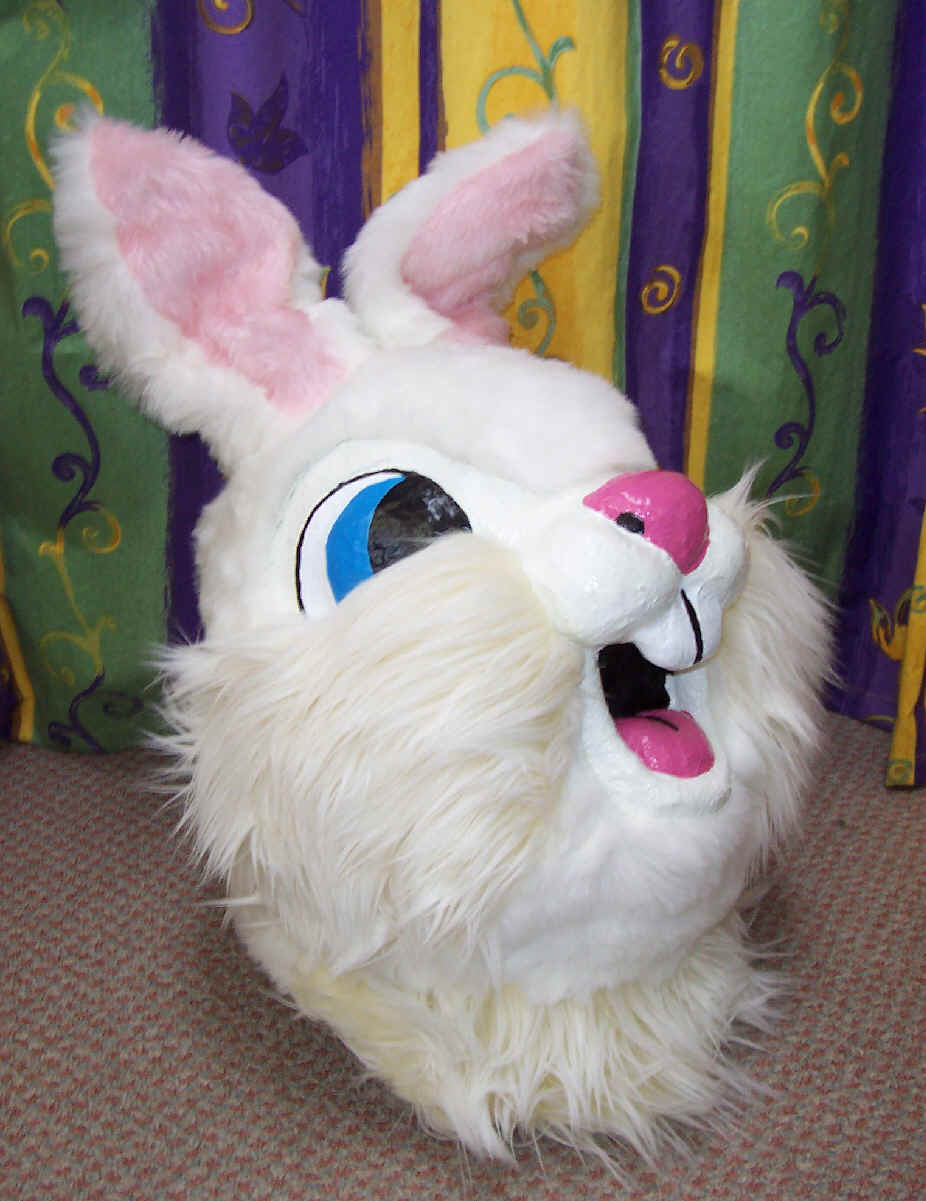
easter bunny, a short story

illustration easter bunny short story 2

Easter Bunny

Jenny’s hair was beginning to fall out from the radiation treatments.  Last night, at a restaurant over on the beach, their waitress had worn a rhinestone-studded baseball cap, and Jenny had admired it.  Ellen wanted to buy one for her.  In truth, ever since Jenny’s diagnosis, Ellen had been shopping as though her life depended on it, buying all sorts of gifts for her mother, tossing them into her lap, unwrapped.

At the mall, Ellen’s two-year-old, Sarah, was fidgety in her stroller, until she spotted the Easter Bunny — on a raised platform with green shag carpet and an arrangement of painted wooden tulips and eggs.  The bunny sat in a white wicker queen’s chair.  “Mommy, it’s the Easter Bunny!” Sarah shouted, waving her hands over her head.

“I see him.  We’ll go see the bunny after we get Granny’s hat, okay?” Ellen said as they maneuvered around the long line of squealing toddlers, toward an accessory store she hoped would have the hat.

“Okay, Mommy,” Sarah said, craning her head to get another look.

Blocking their path around the long line of small children were a couple of teenage girls.  One of the girls was smoking, and as Ellen passed, the girl glanced at her with what Ellen recognized as contempt, flinging her long hair back — the cigarette dangling from her full lips — and prancing over to the mirrored window of the jewelry store across the way to inspect herself.  Her bangs were teased to a great height, sprayed so heavily into place they looked varnished, though the rest of her hair hung in a limp curtain over her shoulders.

It was odd how the teenager kept staring at Ellen even as she primped in the mirror — the girl’s eyes were large and black, her face unlined, uncomplicated.  Ellen stared back without blinking until both mirror and girl were out of sight.

There was one rhinestone cap left at the store, in the window display.  “Do you have any more of these?” Ellen asked, pointing.

“That’s the very last one,” the clerk said.  She and Ellen traded smiles.

“I’ll take it,” Ellen said, not bothering to check the price tag.

On the way back, the teen girls were still near the Easter Bunny display, only now they had been joined by a couple of boys.  The dark-eyed girl slouched back on the bench, sharing a cigarette with a pale blonde wearing too much makeup.

Ellen watched her giggling daughter run to the giant white bunny.  She paid seven dollars to have Sarah’s picture taken with the rabbit, but in the first Polaroid, Sarah’s eyes were closed.  “Sleeping Beauties, that’s what we call those,” the photographer told her.  Ellen wanted to keep it anyway.

“I want to kiss him,” Sarah said.

“Okay, honey,” Ellen said, squeezing her small squirming body in a fierce hug.  She tried to imagine Sarah in another ten years, all pouty lips and thrust-out chin.  Cans of hair spray, and unspeakable things like peppermint flavored lip gloss.

The second picture turned out beautifully.  Sarah held the bunny’s gloved hand, smiling, eyes open, rapt to the camera.  The rabbit got up and strolled down the ramp of his platform, Sarah following, reaching out like a pilgrim to stroke the fluffy white fur.

“I want to tell him I love him,” she whispered to Ellen.  “Pick me up.”

Ellen held Sarah up so she could whisper in the bunny’s ear.  “I love you,” Sarah whispered into the tattered pink plush.  She kissed the nose, patting the wire mesh covering the open mouth, inside which Ellen could see the blurred outline of someone’s face.  Ellen turned away, remembering this morning, before she’d left for the mall.

“Give Granny a hug,” she’d told Sarah.

“I don’t want to,” Sarah had whined.

Ellen’s anger had seemed reasonable in one sense, though completely out of proportion to Sarah’s predictable toddler whimsy.  How many times were left to bestow such affection.  How many times would Ellen be able to bring her mother a daft, pathetic gift from the mall.  Just then, the teenagers laughed their little ignorant heads off for the hundredth time in ten minutes, the air ringing with their simple, donkeylike braying, and Ellen stabbed at them reflexively with her gaze.  How dare they be so happy.  How dare they be so young.

“Why does that stupid bee keep staring at me?” said the dark-haired girl, glaring back at Ellen.  The group around her laughed, nodding at their compatriot’s clever wit.  Ellen stopped, Sarah heavy on her hip.  Bee — for bitch?

“I was wondering the exact same thing,” Ellen said.

The blonde moved several steps toward Ellen then, folding her spindly arms over her chest, shaking her head.  “Hey,” she said, squinting her eyes.  “Don’t you get fresh with my friend.”  She tossed her head back, her stiff bangs remaining frozen, like armor, despite the movement.

Ellen bent to strap Sarah into her stroller.  “I understand your type,” she said to the dark girl, her eyes drifting over the entire group.  “I used to be a snot-nosed adolescent, just like you.”

“Still need to wipe your nose, if you ask me,” said the dark-haired girl, thrust forward on one thin leg, her shoulder flung back.  She looked to her friends, as if for confirmation, and the two boys gave each other sloppy high-fives.

The entire group of teenagers was laughing now, holding their sides, tilting their heads and letting their mouths hang open, their glistening, foamy tongues quivering with hilarity.  In a flash, Ellen’s heart hammered so briskly she could feel her pulse inside her mouth, her tongue; her teeth were being jarred out of their gums.  Ellen wanted to crush them under her shoes like bugs.  “Fuck you,” she said.  She noticed, too late, the horror of the other grown-ups as they clapped their hands over the ears of their small children, the parents staring at Ellen, their eyes wide.

“And just what kind of example are you trying to set?” one woman asked.  Ellen walked at great speed away from the mob, pushing the balky stroller as fast as she could.  Sarah sat in the umbrella stroller, clutching the Easter Polaroids in her tiny hand, her small frame curved into a limp macaroni shape, her perfect, smooth elbows bouncing off her knees as the wheels vibrated over the rough brick floor of the mall.  Ellen walked so fast she began panting, her calves starting to cramp as she rounded the nearest curve, heading for the door she had entered, long ago, in another lifetime.

She saw a bank of pay phones.  She stopped, looking around and behind her.  Fishing in her purse, she found a quarter, then flipped through the telephone directory, looking for the mall’s security office.

“I thought you should know there’s a group of disruptive teenagers hanging out in front of the Easter Bunny,” she said to the voice on the line.  “They’re standing around smoking and making rude comments to the customers.”

“Can you describe them?” the voice asked.

She visualized the girls, their long hair, their cheap-looking teased bangs.  “They had ugly hair,” Ellen said.

“Could I have a little more detail?” the voice asked.  “What were they wearing?”

Ellen could not see anything but the scornful face of the dark-haired girl, the pinched, sour face of the blonde.  “I don’t know,” she answered.

“Well, how many of them were there?” the exasperated voice asked.

“Four,” Ellen said.  “Two girls and two boys.  In front of the Easter Bunny.  Smoking and laughing and being nasty to people.”

“We’ll send someone over there right away, ma’am,” the voice said.  “Would you like to come in and file a formal complaint?”

Ellen visualized herself in handcuffs, being led away.  “No, thank you, that’s not necessary,” she said, hanging the phone up with a bang.

As she tried to push the stroller away from the phone, she saw Sarah was tangled up somehow, her fingers twined through the cord holding the phone book.  “Let go,” she told Sarah, light-headed with the panic jigging through her in ragged bolts.

“But I want to call somebody,” Sarah whined, clutching at the metal cord with both hands.  “I want to call the Easter Bunny.”

“We don’t have time for that right now,” Ellen said.  “We have to take Granny her hat.”  She imagined the teenagers telling their side of the story to the security guards.  Ellen uncurled Sarah’s fingers and flew toward the exit, toward the safety of the parking lot.  No one, apparently, was after her.

Her hands trembled, her arms weak from adrenaline as she unlocked the car door and strapped Sarah into her car seat.  Heaving the stroller into the trunk, she got in and power-locked the doors, hearing the dull thunk inside, pressing the button three more times for good measure.  As they exited to the main road, she looked back at Sarah in the rear-view mirror, saw her little round face composed and serene, her eyes open but vacant-looking.  “Wasn’t that fun?” Ellen said, smiling.   “Getting to see the Easter Bunny?”

“No,” Sarah said, her eyes droopy, her head turning to nest against the padded wing of the carseat.  Lulled by the car’s rhythmic movement, the child’s lids fluttered closed.  Her cheeks were smooth, rosy with health, her lips parted, her pearly teeth visible.  One wispy curl of hair clung to her damp forehead.

Ellen’s face was benumbed; she drove home from the mall to deliver her gift to her mother, tears coming to rest in the corners of her mouth — her cheeks twitching from exhaustion as she forced her lips to stay drawn back, her teeth bared in a ghastly smile, a grimace of love.  She would deceive no one with such a face, most certainly not her dying mother — but of course she couldn’t allow herself to quit trying.

1 Comment

Filed under anger, apologia, cancer, daughters, death, easter, fiction, love, short stories