Category Archives: hypocrisy

Oprah’s Closet, an essay

O_Magazine_cover

August 14, 2016

Oprah’s Closet, an essay on priorities

It’s Super Soul Sunday on OWN, Oprah’s personal TV network. She sits with an author on a self-help book & discusses how, she, Oprah stands inside her walk-in closet & decides it’s not making her happy anymore.

Assumption number one: we, the viewer, can stand inside our closet.

Assumption number two: we, the viewer, are far enough ahead in the game of “net worth” to be able to discuss whether or not our large walk-in closet makes us “happy.”

Oh, Oprah. And just as I was just about to feel really good about you & your legitimately valuable achievements again! I mean, come on. You name EVERYTHING after yourself, and then justify it by saying it’s inspiring others to reach what you define as their “full potential” or some shit.

What the fucking fuck? Seriously? You just snatched defeat out of the jaws of victory. Who gives a fuck about whether their closet makes them “happy?” Oprah, when did you get lost?

Priorities. Resources. Allocation. Social goals. Civilization. Society. Government. All people are created equal, and deserve at least a level playing field. A level playing field. Let our society make sure that every child starts the game on a level playing field. What we agree upon as humane. HUMANE treatment for humanity. Imagine that, Oprah!

Forget your closet! Let no child go hungry; unwashed; unloved; uneducated. Let no child languish in the care of a family which cannot care for them. NO child. Not just yours. Not just some theoretical children, in the abstract. Real, live, actual, living children, sitting in their living rooms, none of which should be scary, or dirty, or smelly, or empty. We are all equally entitled to the resources of this particular planet. And any other that anybody reaches.

Ain’t nobody owns the moon. Or the sea. Or the stars. Or the air. Or the water. But they WOULD LIKE TO. Therein lies the problem.

2 Comments

Filed under charity, child abuse, child neglect, childbirth, childhood, children of alcoholics, civil rights, compassion, dream, dreams, essay, evolution, for children, human beings, humanity, hypocrisy, identity, justice, karma, kindness, law, life, logic, love, maturity, mortality, personal responsibility, politics, rant, soul, spirit, spiritual, spirituality, transcendence, transitions, truth, Uncategorized, universe, war

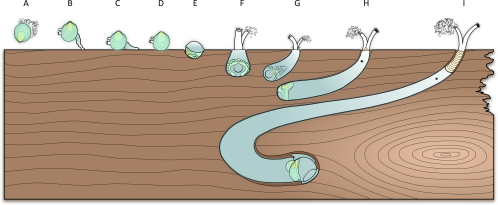
Tunneling Bivalves (Lithophaga palmerae), a poem

ilustration tunneling bivalves Shipworm Boring

Tunneling Bivalves (Lithophaga palmerae)

I have eaten stone. I have tunneled through the hardest
hearts. For ten years, I was in the hands of a wizard
who, little by little, made me forget everything I knew

before I met him. He fed me stones. I became a small
soft thing, covered with two hinged shells, digging
farther away from the world outside, the world I thought

would hurt me. I shrank smaller each day, tunneled
deeper. I wanted to disappear. While I was enslaved,
I learned to use silence as a weapon. My shells

closed tight, tried to protect my softness, but the wizard
jammed gravel in and devoured me. We used to swim
together, in dark water, his robes hanging over the pool

like a tent. His robes were warm, and sheltered me.
His robes were stifling, and smothered me. I was not
a good apprentice. I failed all the exams, I was held

back to repeat the same lessons over and over.
He wove elaborate spells to keep me in my place.
He was content for me to be his forever.

I was his slave, though I hated him and made him pay
for my service in other ways. I thought the hardness
of his heart was a sign of God’s presence, of God’s wisdom.

I forgot to look for God’s grace, God’s joy. My tears
fell and anointed the floor. I was like a religious pilgrim
who brought palm fronds home, nailed them

to the wall of her room, slept with one eye open,
to see if dry leaves caught fire. I was a staple
for the wizard, I gave him everything I possessed,

willingly, and when he would not give me the knowledge
I sought, I betrayed him. His anger was mighty,
and destroyed much of my beauty. When I first fled

the wizard’s castle, I felt powerless, I felt alone.
The wizard was happy I was gone — I had learned
the lesson he had been trying so hard to illustrate

all those years. The one about peace, about power.
He was my teacher, for that I am grateful.
Injury comes from inside, I know that now.

I try to remember to feel God inside. Still, sometimes
I forget I am not eating stone anymore. Sometimes
the food I prepare for myself still tastes like stone.

3 Comments

Filed under ancient history, apologia, born again, children of alcoholics, civil rights, compassion, courage, development, fear, forgiveness, friendship, grief, history, hope, hypocrisy, idiots, ignorance, Uncategorized

TRUMP is an informative guide on Donald Trump presented in a comics format by Ted Rall, published by Seven Stories Press. It is not a satire, nor is it a bombastic attack on Mr. Trump. In fact, if you were only to read a brief passage here or there, you might even warm up a […]

via Review: TRUMP by Ted Rall — Comics Grinder

Leave a comment

Filed under assholes, con man, con men, corporate states of amerka, criminal, criminal behavior, criminals, emperor, empire, evil, fear, hypocrisy, idiots, ignorance, insecurity, jerks, karma, personal responsibility, politics, satire, star spangled banner, tea party mad hatters, truth, ultra right wing loons, united states of america, users

DJI is letting people override its software that prevents its drones flying in restricted areas — Quartz

DJI, the largest consumer drone manufacturer in the world, announced July 5 that it was releasing a new version of the software that controls its drones, which will allow operators to fly in areas that the company’s software previously did not. DJI said in a release that this could aid those who want to use…

via DJI is letting people override its software that prevents its drones flying in restricted areas — Quartz

I think this is probably a TERRIBLE IDEA.

Leave a comment

Filed under 9/11, amerka, anger, appeals, assholes, civil rights, compassion, corporate states of amerka, development, drones, earth, empire, fear, forgiveness, grief, human beings, humanity, hypocrisy, identity, justice, karma, kindness, law, logic, loss, peace, personal responsibility, privacy, technology, Uncategorized

If You Seek It Like Silver, a short story

illustration if you seek it like silver bohemian rhapsody freddie mercury.jpgIf You Seek It Like Silver

My father was evasive on the subject of ancestors. Emigrating, as he did, from the dark heart of Bohemia, he must have understood that some mixing of races was inevitable. Otherness was part of him — visible in his eyes, in his cheeks, in the reluctant way he wore his necktie. He forced himself to stand still and proper his whole life — in due time even Anglicizing his name — but try as he might, never managed to forget who he was and where he came from. That was why he ended up erasing himself until all that was left with a pen & ink silhouette.

My mother was not evasive about anything. Or so I thought. In fact, she was so brutally honest, she admitted to my father that her idea of “socializing” was to invite everyone in the neighborhood over, once a year, for cocktails and hors d’oeuvres (whore’s ovaries, she called them). Other than that, she kept our family as stiff & guarded as Alcatraz. My father seemed to be quieter, to drink a little more, to sit a little longer in front of the television. Then one day my little brother came home dirty, sweaty & crying, from his very first day of school.

“They all called me a dirty Bohunk,” he sobbed.

“Well, why do you listen to the stupid, mean kids?” my mother grumbled. She sat at the dining room table hand-tinting my little brother’s most recent black-and-white, artsy portrait photograph. In the picture, he leaned against a Victorian-style porch railing, his blond curls glinting in the studio light, caressing a large sailboat. “Quit complaining about your feelings. Feelings were made to be conquered.”

My little brother and I were eight years apart, and were nothing alike. I was tall, angular and dark, and had a talent for rages that seemed to be sudden, but were slow-developing and complex in origin. He had inherited the large-boned, pink-and-ivory glow and the sound, dreamless sleep of my mother’s family.

“But I want to have friends, Ma,” he shouted. His chest, like mine, wheezed & he coughed

“You’re there to get education first,” she said. “In two weeks they’ll have forgotten all about your last name. They’ll go on to other games.”

“No they won’t. They’ll never forget. They’ll keep saying it until I die.” He turned, running out of the room, and then we heard him clatter down the porch steps, banging the porch door behind him.

My mother frowned and stared, as if waiting for me to go after him; instead I began setting the table for dinner. “He’ll get over it,” she said, turning around. “Just like you did.” No, I thought; he’s going to learn to ignore his feelings; just like you; disgust. The last thing I wanted to be was anything like my mother; who freaked me out; who wasn’t comforting; who scolded her way into your brain like a hot branding iron. Imposing her will; all over the place; over your spirit. Branded spirit; oppressed spirit; dying spirit.

My little brother wasn’t gone very long, but upon returning, got into his pajamas and went straight to bed, refusing to eat. This had never happened before. Daddy went up and sat on the edge of his bed. I watched from the hallway. Wake up, I thought; wake the hell up!

“Don’t you want something to eat, sport?” Daddy asked. He hadn’t cared so much about my feelings when this had happened to me. Then, he’d been silent, letting Ma handle the whole thing. I suppose he felt it was different for a boy — when a boy cried, it mattered. You too, Daddy, I thought; you need to wake up, too; ignoring things; postponing things; assimilating yourself into your life rather than creating your life; quit playing possum; get up out of that chair; change the channel; yourself.

I was surprised when the next day, Daddy told us what he wanted to do. So was everybody else. My mother most of all. I had never seen the two of them like this. My stomach fell into some icy, limitless abyss in the universe; I had to get out of it, immediately.

“I’m going to change our family name,” he announced. “I should have done it long ago. I should have done it before we were married.” My mother sat in her chair, breathing in short gasps, as if she’d received a sudden whack to the chest. Finally she spoke.

“But it’s my last name too,” she said. “I think it’s ridiculous!”

“It’s not just for him,” my father shouted, slapping the newspaper against his legs. “It’s for all of us. I’m God-damned sick and tired of having everyone get our name wrong. Every time we order something, open an account, write a check, we get these asinine comments. Life’s too short for this. I’m changing my name, and the kids’ names, and that’s that.”

“That’s not a choice,” she hissed, “and you know it.” She kicked her pumps off, throwing them against the floor. “You’ve allowed me no say in this.” Now she was all for individuality; feelings; identity; spirit; it’s always just a question of whose ox is being gored by someone else’s ox. I felt like an ox, dragging my dysfunctional family along. Get out of here, I thought. Get out of here and find something to laugh about; or at least smile about.

And what on earth would I tell people at school? Somehow, facing the teachers with a new name seemed even worse than telling all my friends. It was just like my mother and father to ignore the fact that this whole thing would be the hardest on me. They were already grown up, and Dennis was just a little kid. I was the one stuck in the middle. I sat there examining my nails, not wanting to see their faces at this moment. Fox-holing my soul, stuffing it into a warm, soft hidey-hole; as safe as that icy abyss had been dangerous.

***

The name change happened at the end of summer. On my last day before joining the WASP tribe, such as it was; white bread; vanilla ice cream; whipped potatoes; roasted meats; sugar cookies; freshly squeezed orange juice. The day was bright and sunny and dry; my best friend and I were out in the backyard, perfecting our variety show. That day I was the emcee, she was the sponsor, and we each did half the guest acts. We had tap shoes, and purple and yellow shorts from gym class, and a small piece of plywood to serve as a stage. She also had a fringed felt skirt of her cousin’s and a pair of black kitten heels, for the commercials. Nothing else mattered until tomorrow. Stranded on a desert island, nowhere to run to, nowhere to hide; naked but for the protective coloration in my mind. No one outside the family knew about our imminent name-change.

In an attempt to make peace, Daddy let Ma choose the new last name. She picked one which sounded horrible at first, but gradually became appealing. I begged Ma to send out announcement cards to my friends’ parents and to my teachers, but she just closed her eyes.

“You’re going to have to tell them yourself,” she said.

“She’s just scared to tell them she’s not going to be a dirty Bohunk anymore,” said my little brother. “I’m not scared.”

“What do you mean?” I yelled. “Don’t make me laugh. You’re the most scared one of all. You’re so scared, you’re the whole reason we’re doing this stupid thing.”

“No he isn’t,” said Ma. “Don’t blame your brother. Now go find something to do, both of you. I don’t want to hear any more fighting.”

“I bet you like being a Bohunk,” he whispered as we walked down the hallway toward the front door. “You’re stupid, not me. You’re a stupid Bohunk girl.” He ran out the door, ducking my attempted slap with an expert sideways twist.

When he appeared in the backyard, jeering and laughing at my best friend and me, pointing at us and smeared about the face with dirt and grape soda, I picked up a large rock and threw it at the fence where he stood — to scare him. The rock, being inanimate, didn’t understand, and so, obeying the laws of physics, bounced obediently off the fence, then into his head. A large egg-shaped lump sprang out instantly, right in the middle of his forehead. The skin swelled bigger and bigger before my eyes like a balloon. He swayed and fell down on the ground right where he was. Without even looking back at my friend, I ran — out of the yard, down the rear alley, and out of the neighborhood. I ran till my breath burned in my windpipe, then kept on walking.

***

Our house was five and a half miles inland. I walked all the way to the boardwalk in my tap shoes, the metal taps tapping and grinding against the sidewalk with every step. Blisters formed on my heels, but I kept on, walking slower, placing my feet against the sidewalks with more care. The wind had begun to pick up; the decorative streamers on my favorite ice-cream parlor puffed and snapped.

The boardwalk was crowded, as usual, with transient peddlers. Amid the portable push-carts was a large, gleaming Airstream trailer. Its bulbous surface reflected the milling crowd like a funhouse mirror. As I approached, drawn like a magpie to the smooth, shiny aluminum surface, I noticed a young woman sitting at a folding display table in front of the trailer. She was missing several of her front teeth. Other than that, she was beautiful, her eyes large and clear, her skin like velvet. The dumpy baby in her lap was drooling and babbling like any ordinary kid. My heart leaped inside my chest suddenly, for no reason.

The brand-new Airstream was hitched up to a horrible-looking pickup truck: scabrous, multi-layered paint, rotting fenders. I stood, my legs trembling, examining the large array of beaded purses on her table, and also peeking in the side window of the trailer — the built-in furniture inside was pale pink, and sheathed in plastic. I picked up one of the small purses, completely covered with tiny glass beads, sewn in a dark Oriental-rug pattern. The beaded bag was sinuous and heavy in my hands, like a living thing.

“Can you tell me my fortune?” I asked the lady, my heart pounding against my chest like a small fist.

She stared at me for a moment, then laughed, causing the baby on her lap to startle, his small fat arms jerking. But he, too, smiled after a moment, a toothless grin that matched her own. The baby grabbed at her long hair, stuffing a large handful of it into his mouth.

“No, I can’t,” she said, shaking her head. “But if you dance,” she said, pointing down at my dusty tap shoes, “I’ll give you something.”

“You mean right here?” I asked. “In front of all these people?”

“Sure,” she said. “I love tap-dancing. I’ll give you that purse, if you want.”

The purse’s beading was dark purple, amber and bottle-green. I glanced around at the people strolling by, wondering what they’d think, whether they’d laugh. But it didn’t really matter, did it? I had stepped across some invisible line: tap-dancing on the beach was nothing for a Bohunk like me.

“Okay,” I said. I moved away from the table and raised my arms, spreading them like stiff, flightless wings. Nodding at her, I began my spring recital piece, the one I did wearing a silver top hat and spats. Though the sound of my taps was muffled by the rough-laid planks of the boardwalk, I knew my form was perfect. I finished, and she brought her baby’s hands together with her own, holding his wrists and slapping his tiny palms in mock applause, but then she stopped and smiled, and I knew she’d been pleased.

“Take it,” she said, gesturing toward the table.

“Thank you,” I said, letting the prize swing from my fingers, the beaded loops of fringe rustling against my arm like the curious touch of a stranger. I stood for a moment, noticing her eyes, which from a distance had appeared dark brown, edged in black: surrounding her pupils were small featherings of blue, green, yellow, brown and gray. “I think I killed my brother,” I told her, starting to cry.

“No you didn’t,” she said. “He’s not dead. You can go home.”

“How do you know?” I asked, clutching the bag to my chest. The baby snuggled against her, leaning into her generous breasts, sucking his fingers and blinking his eyes slowly, falling toward sleep.

“You dance too well to be a murderer,” she said, frowning. “Go home to your… fortune.”

As I turned to leave, I saw a handsome boy in a vivid yellow windbreaker watching me from the boardwalk’s edge. His lean face was sculptured, his cheekbones and chin jutting out. His mouth was open — not a smile — and his teeth were square and white. As my eyes met his… his face benign, expressionless… he made his hands into tight fists, arms stiff and straight at his sides, and began nodding his head — forward and back, forward and back. Yes, he indicated. Yes.

“Take your new purse and go home,” the woman said again, turning to look at the strange boy. “But first give the baby a kiss, for luck.” So I bent down, kissing the baby’s drool-wet cheek, struggling with the impulse to dry my lips on my sleeve as I turned away.

***

By the time I got home, it was dark. A police car was parked in front of the house. As I tried the front door-handle and started to knock, it opened and my mother stood to one side, holding the door, as I walked into the foyer. She reached out, as if to embrace me, but at the last minute changed her mind and pushed me away. I don’t care, I thought. I don’t fucking care. For a moment? I hated her with every cell in my body. Then Daddy grabbed me, squeezing me so hard around the ribs I couldn’t inhale.

“Are they going to arrest her for throwing rocks at me?” asked my little brother from the top of the stairs.

“Certainly not,” said my mother. “Go back to bed.”

***

The next day was hot — the smog so thick it dimmed the sun’s rays. Somehow, that weird half-light made the air seem even hotter than the real temperature. We toured the marble-floored courthouse downtown, meeting our lawyer outside the judge’s office. The secretary ushered us in. The judge had a lot of fluffy white hair and a waxed, curlicue handlebar mustache that gave me the shivers. As I walked by him, he winked.

He asked us if we had any dishonest or criminal reasons for changing our names — then asked us if we were all sure it was what we wanted. I wasn’t sure — I saw my mother start to say something, too, but the judge didn’t notice. He looked at me.

“What about you, young lady?” he asked. “Do you want to change your name to something that everybody in the U.S. can spell?”

My heart felt like a fat frog, quivering, and I couldn’t speak. The judge didn’t wait for my answer, just started chuckling to himself, then he signed the sheaf of official papers with a judge-like flourish and changed me from a Bohunk into an American.

***

I went to confession that week with a lot to say. The new priest had a strange kind of beauty — artfully shaped eyebrows, large protruding eyes, fleshy but precise lips, dimpled chin. His English was faintly accented. I liked to imagine he was in love with me, but too saintly to break his vows — he twisted and turned each night upon his hard, narrow cot, praying in vain for relief from the tempting visions of me. In the booth, the words came easily.

“I almost killed my brother,” I told him. I waited in the hot, breathy silence. “I committed perjury.” Still nothing. “I looked on a man with lust,” I said, remembering the taut face of the boy on the beach. Now tell me I’m evil, I thought. Tell me I’m going to hell, talk to me about the pit of fire, the writhing serpents.

“Do you fear for your soul?” he asked.

“Yes,” I answered. “Everything has changed. I’m not the same as I used to be.”

“God knows what’s in your heart,” he said. “Sometimes being ashamed is the most important thing. It’s the first step to changing.” He cleared his throat.

“I’m supposed to be changing? Does changing your name count?” I couldn’t help laughing — then wondered if laughter in the confessional was some sort of sin.

“Changing your name? You mean by marriage?” He sounded shocked.

“No, my family — we all changed our last name. Because my father was ashamed. Because no one knew how to spell it. Because he didn’t want anyone to think we were — strange.” I waited; his silence was interminable. I heard him sigh.

“A name can be very important for the peace of the soul.”

“But nobody asked if I wanted to change.”

“Your father did what he thought was right.”

“But I can’t stop being angry,” I said, almost crying.

“Pray for your anger to be taken from you,” he said. “Pray for guidance.”

But wasn’t he supposed to give me that — guidance? Where was his usual sympathy? I felt weak, dizzy.

“Yes, Father,” I said, though tears had started. “I’ll pray for guidance.”   Pushing the booth’s wooden door open — so hard it knocked against the outer wall of the adjacent confessional — I felt Father startle and jump inside his half of the booth in the second before I slipped my shoes off and ran out of the church.

***

A bunch of us freshman girls journeyed to the first school dance of the year as a dateless yet hopeful group. As we stood talking and laughing — eyeing the large group of stag boys near the gym doors — we fussed with our hair and rattled our charm bracelets. The tall, good-looking boy I’d seen that awful day at the beach approached, and invited me to dance.

“Did you get married over the summer or something?” he asked, tossing his forelock out of his eyes as we twirled out to the middle of the floor.

“Married?” I said, peering up at his face in the dim, dance-floor light. His eyes were large, round and brown, and his lower lip full so that even his scowl had a goofy, angelic quality. “Are you kidding or something?” I asked.

“Well, last thing I knew your last name was different.” He smiled and tapped my name tag with one finger. “So, I figure either I’m going senile, or you got married.” He winked. “Odds are, I’m not senile.”

“Are you sure?” I asked, smiling.

“Well, sometimes I wonder.” He laughed, caressing my back softly as we danced.

“My father changed our last name over the summer,” I said. “Tired of having it misspelled, stuff like that.”

“Well, this one will attract less attention, that’s for sure.”

“Yes, it will,” I said, and then the fast song was over. We stopped, standing together for a moment, then another song began, but we didn’t resume dancing.

“Would you like to go get a soda?” he asked.

“Yeah, sure,” I said, nodding. We went out to the main entry hall, where some members of the student council were selling refreshments: Cokes, brownies, small bags of popcorn.

“It’s hot in there. Let’s walk around the courtyard for a minute,” he said, holding the cold green bottle against his forehead. He held out his hand to lead me, and I noticed it trembling. We sat down on the edge of a concrete planter, hidden from the dance behind its large circular hedge. The music sounded tinny from out here, but a slight breeze was blowing, and the air had a clean smell. He took a long swig of his soda, then put the bottle down. “You’re so beautiful,” he whispered, sounding like he might cry. He put his hand against my breast, squeezing me as though caressing some exotic fruit, and then, upon discerning no obvious resistance, he leaned forward with his lips pursed. As he kissed me, his hand kept on moving, pulling at the buttons of my blouse, sliding around under my clothing and tugging at the hooks on my brassiere like a small inquisitive animal.

***

My feelings over the next few days were a dizzying combination of exhilaration and despair. I’d let him touch me, and it had felt good — but the fact that I’d allowed it to happen disgusted me. It was part of my body that had betrayed me — some fundamental weakness — a new aspect of myself I’d never be able to get rid of. I kept looking in the mirror: the dark circles under my eyes seemed worse, and my complexion got hazy. My hair seemed altered, losing its shine, its color. I felt suddenly younger and older at the same time. Ma and I were shopping for groceries when I felt caution melt away inside me.

“Did anybody ever try to touch you under your blouse?” I asked her, in the frozen food aisle.

“What do you mean, touch?” she asked.

“Like on a date or something,” I said.

“Of course,” she snorted, throwing half-a-dozen packages of peas into the cart. “What do you think, that’s a recent invention?”

“What did you do, then?”

“I kept their hands away,” she said. “I made them stop.”

“Well, what about Daddy?” I asked. “Did he ever try? He must have.”

“I’m not going to go into the specifics with you,” she said. “Just don’t let things go that far.” She turned and stared at me.

“No, of course not,” I said, feeling the blood heat up inside my lying cheeks, my lying neck. I knew she noticed. No way out.

***

“I don’t know why I bother,” she said, stirring a pot of tiny meatballs in sauce, her hair coiled in gleaming pin-curl clips. “No one invites us back.” My mother was more cranky than usual about her annual cocktail party.

“That’s not why you give the party, is it?” my father asked, laughing. “You wouldn’t go to most of these people’s houses, anyway. No, you just want them to be in your debt.” He patted her. “Just like me,” he added. People were trickling in when one of Daddy’s friends brought up the name change.

“When I got the invitation, I was stumped for a minute,” he said. “I thought, who do I know who changed their damn name? If you’re trying to lose the bill collectors, you forgot the most important thing — get the hell out of Dodge!” He threw his head back and laughed; a braying ass. My mother felt the same way and poured her drink on his shoes. For once, for one blessed moment, I agreed with her completely on something. Common ground. The beginning of our real, far deadlier arguments.

“I don’t care what you think,” she said, waving her arms over her head. “Any of you!” The whole group fell quiet, and after a moment, people who had just arrived began moving toward the hall closet to get their coats.

“Now, wait a minute,” my father said. “He was just kidding!”

“Gee, so was I,” she said. “Couldn’t you tell?” She kicked off her shoes, then ran up the stairs; I watched, then scrambled up after her. In her bedroom, she flopped down on the bed, heedless of the starched, organdy collar and bows on her black dress. She jerked her legs back and forth, back and forth, and her stockings hissed against the satin of the bedspread. “I knew from the day I met your father we’d never be soul mates or anything,” she said. “But I was hoping for something better than this.”

“I’m sure he was hoping for something better, too,” I said. “Do you know how horrible you can be? Do you?” I wasn’t going to end up like her, or like him — or like anybody in my family. It didn’t matter what my name was. “If Daddy and I hadn’t been there watching, you wouldn’t have poured that drink on the man, would you?” I hate you, I thought. And you hate me, too. Own it, you fucking cunt.

“That’s the craziest thing I’ve ever heard,” she snorted, throwing her arm across her eyes. “You and your theories. I was just mad, that’s all.” She couldn’t, or wouldn’t, live for long outside her locked, electrified steel cage of rage, I realized.

She shook her head, and her hair, pinned in a loose bun, fell free and tangled in a soft cloak around her neck. My own breathing became the most delicate of rhythms. I closed my eyes and stood next to the door, swaying in place. She was absolutely right: her daughter was a rebel both by nature and by choice. Too much Order… too much Chaos… then back again, a beautiful, inscrutable figure eight. Ma kept on talking, talking about the right way to do everything, the petulant sound of her voice changing inside my head into a soothing, abstract blur, like river water over smooth, flesh-colored rocks. Grief and guilt flew out of me: sharp arrows of silver, or cobalt glass. My own insatiable needs burst their seed casings; moving shapes cast their inscrutable dark shadows against the walls of my secret cave; I fell in love with the light of my tiny, disobedient candle. I kept on nodding and nodding; pretending to listen; planning my escape.

3 Comments

Filed under acceptance, adolescence, anger, anthem, anthropology, baby, beauty, birth, blood, boys, child neglect, childhood, civil rights, compassion, courage, daughter, daughters, death, development, dream, dreams, eternal, eternity, everything, evolution, faith, family, father, fatherhood, fathers, fear, fiction, forgiveness, god, grief, health, heart, hope, human beings, humanity, hypocrisy, identity, ignorance, insecurity, judicial branch, judiciary, justice, karma, law, legal system, life, logic, loss, love, man, manhood, maturity, men, mortality, mother, mothers, mourning, mysterious, parenting, passion, personal responsibility, regret, relationships, religion, sex, short stories, soul, spirit, spiritual, spirituality, teenagers, transcendence, transitions, truth, united states of america, universe, wish, woman, women, world, youth

Love Kills

love-kills 2

Love Kills

My adversary and his minions usually attacked me right after we all got off the school bus in our small neighborhood. I’d be walking home, trying to pretend it wasn’t happening, but still hearing the sweaty, red-faced boys from my small neighborhood draw together and trail at my heels like a pack of wolves, barking. I was a dog-girl, they taunted me in my own language. I’ve wasted too much time trying to figure out this cruelty; and at the same time I can’t stop myself wondering why – falling into the black chasm of shame. Ugliness. Who defines it?

I love the idea of a man, regardless.

One of this group of horrid bullies was the first boy I ever kissed. That was the result of a game of spin-the-bottle, behind the holly bushes at the end of the canal. The trashy, sandy space between the seawall and the bowling alley parking lot, where the branches of the mangroves trailed down into the murky water like the sad arms of ghosts. He kissed me there. His lips were wet, trembling, soft as a child’s, and softer than mine. Why’d he kiss me, then? That’s what I’ve asked a thousand times. How often are we tested, and found wanting, and given another chance to learn? As many times as it takes. Neither Heaven nor Hell throw souls away. Souls are the green energy of the cosmos. Protect yours from those who would use, abuse, and dispose of yours.

I love the idea of a man, regardless.

Did you ever kiss someone you wouldn’t be caught dead with in daily life? The answer is yes. You all did; everyone does. But, following your mistake, did you then gather up your friends and acquaintances and confront that (unfortunately) kissed person daily? Did you, and a gang of six to ten of your closest friends, pant and bark at that person as a pack of relentless, nipping wild dogs, depositing flecks of their own frothy spittle onto the back of that person’s fleeing, burning neck? Did you then taunt that ugly person with your ugly sounds of ugliness every single ugly day for an ugly year, or two? Each time it happened, it threatened to swamp my tiny little life, which already sucked for reasons I will not go into here and now.

I love the idea of a man, regardless.

I beat that ugliness which was thrust into my face like a chunk of petrified dogshit… back and back and back… with the mental & emotional equivalent of a baseball bat, a tennis racket, a golf club, a shield, a mirror, a fantasy. My job was to strap that ugly shit into a straightjacket and lock it in the asylum of the mind. On better days my adversary wasn’t cruel, but fast and solid, like when I bounced against him in a crowded game of flashlight tag. His immovable, sweaty arms encircled me that late spring twilight, and though I wriggled and strained to get away, I wondered what it was like; making love with a boy, how it would feel, our naked bodies pressed together, his aroused skin slipping into my aroused skin, male into female, a warm knife into butter. If organized bullying is the modern equivalent of hair pulling… count me out.

I love the idea of a man, regardless.

Counterpoint to my adversary’s cruelty were the sweet, funny, flirty boys seated on both sides of me at the back of the room in seventh-grade English class, a tall one and a tiny one just like Mutt & Jeff. These boys wore their clothes confidently, as if the cloth covering them wasn’t important, wasn’t doing them any favors. The way their smooth skin flowed out of their shirtsleeves made me crazy. It was as if women were a part of them, not something foreign. The taller of the boys once reached out and touched my ass, not sly or shy, just placing his open palm against my turned hip like it was a loaf of bread. He never, ever looked my way without smiling.

I love the idea of a man, regardless.

A few years later, I was almost raped. I made a mistake and went to this older guy’s apartment, as clean and tidy as a church. That guy climbed atop me again and again, rumpling his king-sized, black satin-sheeted bed. It seemed as though hours went by, my legs protecting me like twin automatic pistons, pushing his nude weight off and away. He didn’t become violent; finally he quit trying. But later, I let him teach me how to kiss. To leave off a man’s mouth slowly, gently, instead of rising away like a slap interrupted. The sweetest postlude I ever had? A male model who brought me a warm, wet washcloth, after. His whole body was as hard and smooth and glossy as a horse’s. He held my knees up and softly swabbed me like a baby. I never saw him again.             And, ladies and gentlemen, devotees of love… is there any other kind but the kind that kills? Love is not a lifetime, money-back guarantee.

I love the idea of a man, regardless.

4 Comments

Filed under acceptance, adolescence, anger, anthropology, assholes, compassion, courage, criminal behavior, development, evolution, faith, forgiveness, grief, health, heart, history, hope, hypocrisy, identity, idiots, ignorance, insecurity, jerks, justice, karma, kindness, law, life, logic, loss, mourning, mysterious, personal responsibility, rant, relationships, soul, spirit, spiritual, spirituality, teenagers, transitions, truth, youth

How Art Thou Received? (a prayer for refugees)

How Art Thou Received? (a prayer for refugees)

Imagine: suddenly, without warning (because that is how war arrives) you are a war refugee! Simply running away from being murdered. And how are you received when you can finally stop running, when you are out of range of the guns, the bombs, the blood? No countries to take you. No one to feed you. You are a skeletal pawn in a skeletal game.

Embalmed corpses declare war on the living and fight for their “territory” against other embalmed corpses using armies of young people; embalmed corpses feeding on fresh, young blood.

I know something is very wrong, somewhere. It must be addressed, and addressed properly. Our prayer, our incantation, our spell to heal, must be more powerfully crafted, more distilled, more essential, than was the horrid spell we are trying to break: a tradition of might over right, strong but wrong, a spell of ignorance which has caused so much harm, and is trying to do more… powered by the love of power, the love of control over people.

The scarred parts of the heart can be replenished; the broken parts, glued; the weak parts, strengthened; the fear assuaged, the pain relieved. But the desire to change, to truly alchemize oneself, spin that straw into gold… the gold of the sun… the silver of the stars… the red planet… the North Star… primal navigation by looking not at the ground, but by looking up, to the sky… that kind of desire doesn’t visit often.

If you want to know where you are going, be sure your map is accurate, or at least doesn’t kill you. Migrating birds know this. Power & Liberation. Slave & free. Joy & Suffering. High & low.

Craving slaves, some are trying to roll us back to serfdom, only they can use our own science & technology to rape us! Serfdom: tied by birth to land. You are a pawn, a source of income; in thrall to your Lord and Master. Freeing serfs is always a struggle. Brute force arm-wrestles the human race, and brute force often pins people to the mat, but… you cannot keep people down for long. The oppressed will continue to spring up and defend their inalienable human rights. All people are created equal: including our ancestors, who existed long before the self-anointed first “private property” owners. Human beings are endowed by their creator with certain inalienable rights, yes? The earth cannot belong to any one of us. Period. We own this planet. All of us.


2 Comments

Filed under acceptance, amerka, ancient history, anger, anthem, anthropology, apologia, apology, appeals, assholes, baha'i, beauty, bible, birth, black, blood, born again, buddhist, Catholic, charity, child abuse, child neglect, christian, civil rights, compassion, con man, con men, corporate states of amerka, courage, criminal, criminal behavior, criminals, daughter, daughters, death, development, dream, dreams, earth, easter, emperor, empire, enlightenment, eternal, eternity, eve, everything, evil, evolution, faith, family, father, fatherhood, fathers, fear, fish, flowers, for children, forgiveness, friendship, funeral, gay marriage, girls, god, good, grief, health, heart, hindu, history, hope, human beings, humanity, hypocrisy, identity, idiots, ignorance, jesus, jewish, judiciary, justice, karma, kindness, law, legal system, legal writing, letters, lgbt, life, logic, loss, love, mama, man, manhood, manifesto, marble, marriage, matricide, maturity, mea culpa, men, mitochondria, mortality, mother, mothers, mourning, murder, muslim, mysterious, nature, notes, parenting, passion, peace, personal responsibility, pope francis, pregnancy, rant, rastafarian, regret, relationships, religion, rome, Saint Teresa, science, sex, sisters, soul, spirit, spiritual, spirituality, spring, star spangled banner, tea party mad hatters, teenagers, transcendence, transitions, travel, tribute, truth, ultra right wing loons, Uncategorized, united states of america, universe, users, veterans, war, warmth, wish, woman, women, wood, world, youth, zoroastrian

Kim Davis v. Pope Francis, an essay

illustration kim davis pope francis essay

Kim Davis. Pope Francis. Spirituality. Religion. Compare and contrast. I humbly speak of God to you as you may define him, or her, or them, or it… the way you, as an individual human being making important life decisions define what is good and what is bad… the way you, in your heart, define that force, that energy, that life-giving PRESENCE we have all, at some point in our lives, experienced with joy, or with wonder, or with fear, or with feeling all three of those things simultaneously. No religion carries with it a monopoly on definitions of ethical and unethical behavior!

Kim Davis, professedly a “Christian,” is literally crying with joy over unilaterally discriminating against LGBT people. While at the same time she professes to love “God’s people” with all her heart & soul! Who is Kim Davis to tell anyone, anywhere, whether they are one of “God’s people??” Tell me, what is the difference between Kim Davis & any other extreme religious fundamentalist — whether Zoroastrian, Hindu, Buddhist, Jew, Christian, Muslim, or Baha’i, et cetera? In my opinion, each and every religion spawns its own internal sets of believers who proclaim their personal religion to be the “true,” and therefore the “only,” religion!

For example, extremely fundamentalist Buddhists sometimes enclose themselves into a tomb to starve themselves to death, after spending the previous two years eating only the most rudimentary plant matter — I’m talking bark & leaves! While they are enclosed in that living tomb, they ring a bell every morning to communicate to the world they are still alive. When the bell does not sound, the remaining monks wait a specified number of days, before opening the tomb. Then the naturally mummified (from self-imposed starvation!) human bodies are exhibited as the bodies of saints, or whatever “saints” are called by Buddhists.

It is this sort of practice which has formed my opinion that extreme, literal fundamentalist religion is almost always horrible. It brings out the worst in people, not the best. “Zero tolerance” rules and judgments and penalties, when robotically applied to the human condition, create the opposite of love, the opposite of peace, the opposite of compassion. Extreme, literal, fundamentalist religion is, in essence, a form of necrophilia — summarily dictating to others that religion is dead, carved in stone, that religion cannot evolve, cannot change, when it must. And religion MUST change when faced with new, and undeniable, scientific discoveries, rapidly evolving technology, and physical, planetary changes — all three of which result in “earthquakes.”

These scientific and cultural and literal “earthquakes” bring with them frightening shifts in the primary causes of human suffering. Shifts which must now be dealt with using something more than ancient, beautifully written, but now outdated, and therefore “mummified,” religious, doctrinal texts.

Pope Francis is a good example of someone who is at the opposite end of the spectrum from an extreme, literal fundamentalist. He seems to be actually speaking out against the largest, most pressing, environmental and social evils we currently face. Kim Davis is an equally good example at the fundamentalist end of the spectrum — someone who is not, in any real sense of the word, a spiritual person. She seems to me to be simply an authoritarian, judging person who understands little about love, the human condition, our planet, the vastness of the universe, or the mysterious, ultimately unknowable nature of God.

And I, for one, am already heartily sick of hearing about her.

1 Comment

Filed under adultery, baha'i, born again, buddhist, christian, civil rights, divorce, gay marriage, hindu, hypocrisy, jewish, kim davis, lgbt, pope francis, religion, spirituality, zoroastrian

The Elephant In The Room, an essay

illustration the elephant in the room

The Elephant In The Room, an essay

The American “Tea Party” is a radical, far-right organization which stands for nothing less than  rolling the evolution of contemporary civilization back by one, or two, or even three or four hundred years – back to a time when only rich, white, men governed society, and, preferably, rich, white, men governing that society in as “selective” a group as possible.  Monarchy – in extreme cases, even Feudalism — is, to Tea Partiers, the “good old days,” which they would like to see “restored.”  A potent ingredient to the Tea Party hallucination is “private enterprise,” a Holy Grail represented by entities like General Electric.  The United States of America is home to 13 of the 20 largest “transnational” corporations on the globe.  Multinational corporations are far more powerful than any prior tyrannical force in history.

Thus, the Tea Party explains, poor people are poor because they are stupid and/or lazy, and therefore “deserve” to be poor.  Rich people are rich because they are smart and/or hardworking, and therefore “deserve” to be rich.  The passage of inherited wealth from the elite class to its offspring must be protected because it is “deserved” by the offspring of such smart and/or hardworking people.  There is, of course, the mythology that every so often, one of the poor will find their way into the ranks of the rich, and one of the rich will find themselves thrown down into the ranks of the poor.

The history of the present multinational corporation is — much like the history of King George III of Great Britain (as observed by Thomas Jefferson) — “a history of repeated injuries and usurpations, all having, in direct object, the establishment of an absolute tyranny[.]”  This is precisely the moment the United States of America has reached; will we, as a people, do the work of rebuilding our troubled, restless, suffering nation?  Will we stop our own decades-long moral, structural, and economic demolition at the hands of a regressive, elitist, antidemocratic, power elite?   Will we abdicate our own social responsibility and continue to allow “too big to fail” multinational corporations to do irrevocable harm to us and the rest of the human beings on this planet?  Will we become, in reality, merely the Corporate States of Amerka?

Mass cultural hypnosis and mass public disinformation is essential to root out the harmful weeds of “equality,” “democracy,” “fairness,” and “justice.”  Dumbing down the population by a few decades of underfunding public schools is a prerequisite to the suitability of hypnosis and disinformation; as is a very carefully planned, gradual, economic destruction of the unpredictable, possibly dangerous, middle classes (who often demand treatment inconvenient to the ruling elite, and unlike the lower “wage slave” classes, actually have some power with which to back up their demands).  It is important to deprive the middle classes of adequate education and economic security with such a gradual, gentle, patient hand that the tightening of that “hangman’s noose” goes unnoticed until it is secure and inescapable.

Most important, however, is the control of the one branch of American government which is practically impervious to democratic principles or controls:  the federal judiciary.  Since federal jurists are appointed for life, popular opinion and social movements have little to no effect on the judicial branch, unlike the executive and legislative branches, where at least the fiction of “responsibility to the electorate” must be maintained in order to perpetuate the critically important elements of mass cultural hypnosis and disinformation.

Leave a comment

Filed under ancient history, anger, compassion, con man, con men, criminal, criminal behavior, criminals, development, earth, empire, evil, federal judge, good, health, history, hypocrisy, idiots, ignorance, judicial branch, judiciary, justice, karma, law, legal system, louvre, personal responsibility, spirit, tea party mad hatters, truth, ultra right wing loons, universe

Weightlifting, a short story

illustration weightlifting 2illustration weightlifting

Weightlifting, a short story

Laurel stood in the alley beside the entrance to the Flower of India’s outdoor patio, and the stifling, smoggy Burbank sun was so hot she could feel droplets of sweat rolling down her back and her ribcage and between her breasts, soaking her nurse’s costume. She was hemmed in by a dented maroon B210, a smelly green garbage dumpster, and by the presence of her spurned lover. Jason had drawn himself erect to his full 4-foot-9-inch height (a foot shorter than Laurel herself) and was trying not to tense his neck — specifically his sternomastoid muscles — because he knew how much that pissed her off.

“Jason,” she said. “It’s not worth this. We should both calm down, O.K.?”

“I am calm,” Jason said. “I’m completely calm. I’m just confused. You’re very confusing, Laurel. Maybe you could go over it one more time?”

“I’m late for work,” she said. “I told you I only had an hour for lunch. I don’t know anything I could add to make it clearer. How many times do you want me to say I don’t want to see you anymore?”

Jason stared up at her. Without realizing it, he tensed his sternomastoids, his neck vanishing in the thick round cords. Jesus, Laurel thought, there he goes again!

He blinked his eyes. “I’ll be home tonight. Could you please call? Please?”

“Oh, God,” she said. “All right. If it helps. I’ll call.”

Jason nodded. His neck relaxed. He looked more normal, but not completely normal, never completely normal. That was one of the problems. He looked like an an eleven-year-old in an inflatable Halloween “muscle” bodysuit. People stared at him everywhere he went; and stared at Laurel when she was with him.

In the beginning, she thought she’d be able to handle it. After all, his face was beautiful, startling eyes, neat brows, and strong chin. The proportions of his body were perfect, if you viewed him from a distance. And the physical side of the relationship was fantastic. He was a perfect little doll: an expensive toy, like from the Black Licorice Whip on Santa Monica and Sunset. But she was wrong. She couldn’t handle it.

“Bye, Jason,” she said.

She started to move, edging her body through the narrow space between him and the dumpster, but she didn’t do it fast enough. Jason reached out. He wanted to embrace her, sweep her back in his arms, and carry her off like Clark Gable with Vivien Leigh. But nine times out of ten he didn’t have the leverage; he had the strength but not the right angle of lift. If he’d tried, he would have toppled Laurel into the open dumpster.

So all he could do instead was hug her. His nose rested atop the shelf of her breasts; his breath caught a little in his chest and he inhaled deeply, almost a sob, and that was his big mistake. Through her costume — today she was a bit player on a soap — through the thin white material, he smelled her perfume, the heavy frangipani oil she got at Mrs. Gooch’s in Redondo, and when he smelled that oil he couldn’t help himself.

He plunged his face into her breasts, and though he felt absurd he couldn’t stop himself; it happened and he could do nothing, not even after he remembered that this was one of the things she really hated. His face snuggled into that frangipani scent, into the soft flesh of her bosom, and his head wiggled back and forth like a rooting newborn.

Laurel stood, her chin resting on his head, tangling his straight, silky blonde hair as his head moved back and forth at her breasts. She had an urge to rise up and smash him on the crown of his head with her chin. She had read somewhere that you could kill a person with your chin, supposedly it was one of the hardest bones in the body, but, no — maybe that was the elbow. Anyway, this was all her fault.

“I’ve got to go,” she said.

He untangled himself and stepped back. His eyes were red and his face was red and his thick hair was wild.

“Goodbye,” he said. And as soon as he saw her car drive off toward the studio, he attacked the wooden fence of the restaurant’s patio with his bare fists. Then he went home, and spent an hour peroxiding his hands and pulling splinters out with an eyebrow tweezers Laurel had left at his apartment, on one of the rare occasions he had persuaded her to spend the night.

***

Back at work, Laurel went to the makeup room. The hair lady pulled one of the hot curler sets over and started re-rolling Laurel’s hair. Laurel closed her eyes, and let the brushing and tugging lull her.

Jason was an actor, too, and in her heart Laurel had to admit he was much more talented than she. If he’d had maybe two or three inches more in height, he could have been cast in a slew of parts. But as it was, being 4-foot-9, he was shut out. Oh, he got a few far-out costume alien roles, and the occasional little person job, but the irony was that he was actually too tall for the best of those parts. Like when they were making that Star Wars sequel and they needed people for the little fuzzy things, the Ewoks, Jason wasn’t even called to audition. Too tall. Laurel had just met him then, and she never forgot how he reacted.

He got totally bombed — must have drunk at least three six-packs of beer. Being as small as he was, relatively speaking, that was probably enough to have killed him. He showed up at Laurel’s apartment, the third-floor place in West Hollywood with the center courtyard and pool. He danced around like a maniac in the open-air hallway outside her front door. Laurel literally peed in her pants when all of a sudden he vaulted over the railing. She ran to the edge, feeling the iron grillwork vibrating from his push off, but by the time she looked down she’d heard the blessed splash. She ran down to drag him out of the water.

This white-haired biddy on the first floor had screamed at her as she tried to half-carry, half-drag the semi-comatose, muttering Jason upstairs.

“Is that your son?” the crone yelled. “I’m going to report you to the welfare department. Letting a little boy jump off a third-story railing — he could have been killed. You should have been watching him better, lady!”

Laurel got him up to the apartment and put his head in the toilet and told him to throw up. Then she put him on the couch and covered him with a blanket.

The next morning, when she awoke, Jason was already gone, but there were flowers everywhere. He had gone around the corner to Lucky’s and bought their entire cut flower stock. Every pot and pan and glass she owned was stuffed, crammed, overflowing with flowers.

***

Laurel opened her eyes and saw Freddie standing over her, ready to touch up the makeup. She leaned her head back, he tilted the chair, and then she could feel him brushing her lids with fresh eye shadow.

Today was the fourth time in eight months she had tried to break it off with Jason. She had to make it clean, this time, otherwise it was going to take both of them right over the edge. Usually, Laurel was better at this sort of thing. With Jason, though, the relationship had lingered on her doorstep like a yowling, starving cat. She’d get to a certain point, then Jason would suck her in with his green eyes; her courage would fall away. She would backtrack; afraid she was making the wrong move. For a few weeks, she would be filled with hope. She would think, maybe Jason and I can make ourselves a place in the world.

“Open your peepers, darling,” Freddie said.

“You’ve given me eyes again! And lips. Too bad I can’t have you come over to my house every time I have a date.”

“You flatter me, honey,” Freddie said. “Nothing here that nature didn’t give you. Just me and Max Factor helping out a little.”

Laurel went off to her dressing room to look over the script. This morning she’d spoken two lines, this afternoon she had three. In this afternoon’s scene, she had to cut ski pants off the legs of the character of “Sue Roper,” after a tragic fall on the slopes. Her three lines were, “Hold her down while I remove her pants,” “There’s a lot of bleeding here,” and “We need to get this young woman to X-ray, pronto!” If the director tried to “direct” her today, with this garbage, she thought she might bite his hand off at the wrist.

***

After work, she went to dance class. She wasn’t with it; the teacher kept coming over and fussing with her arms, her legs, pushing her hips down, tucking her butt under. When it was her turn to do a solo, she almost forgot the routine. Snapping her head around for the turns, she nearly lost her balance.

Leaving class, she shivered as her tired rump touched the icy vinyl of the car’s upholstery. At Ralph’s, she bought one single-serving Chocolate Supreme frozen cupcake. As she opened her front door, she noticed the message light on her machine flashing. The light flashed one-two-three-four-five-six-seven. Seven calls! She hoped they weren’t all from Jason.

She kicked off her shoes and dropped her bags, pressing the Play button.

“Hi, Laurel. Oh, are you working? This is Katherine. If you want to eat, I’m meeting a bunch of people at El Coyote around eight, hope we see you?” Click. Beep.

“Uh, this is The Strand Bookstore. The book you ordered, uh, the poetry book, is in. Thanks.” Click. Beep.

“Laurel. I’m sorry about today at the restaurant. I’ve got to see you tonight. Please call.” Click. Beep.

“This is Dr. Petersen’s office, calling to confirm an appointment for Laurel Bragg on Wednesday, the eighth of December, at 3:30 p.m.” Click. Beep.

“Hi there. Remember me? I’m back from the Oregon festival, it was terrific. Give me a buzz; I’ve got a nice script sitting here with your name on it.” Click. Beep.

“Laurel. I’m sorry. I’m waiting for your call. I’ll sit by the phone all night.” Click. Beep.

“I know we can get through this. I have faith.” Click. Beep.

Faith. What a crock, Laurel thought. What did Jason have faith in? Did he look at everything in his life the way he looked at his weights? Did he think if he pushed hard enough, if he pushed enough times, that he could push them both into a happy ending?

She unwrapped the frozen cupcake. She nuked it, poured herself a glass of milk, and sat cross-legged in the middle of her living room. Three calls. She would have bet on all seven. Maybe this time, he knew. Maybe this time they’d both be smart enough to let it die with a little dignity.

She finished eating and lay down, staring out the window at the wispy gray clouds passing over the full moon. She pulled her knees up to her chest, feeling her aching spine crack. Then she heard a knock at the door.

“Who is it?” she said.

She could barely hear his voice; looked like he was in one of his whispering moods.

“It’s me,” Jason said.

She dragged herself up and looked out the peephole. The top of his head was just visible through the dirty lens.

She opened the door: he looked down at the ground, staring at his feet. He wore his leather jacket with the sheepskin collar, the one from the little boy’s dress department at Magnin’s. Wound tight around his neck was a red and black striped muffler with long black fringe, but the jacket was open all the way; he didn’t have any shirt on underneath. His lips were turning blue.

His eyes were bright, the whites clear, but the rims of his eyelids were deep red. “Can I come in?” he said.

A chest-bursting sigh heaved out of her; she clicked her teeth together in her jaw. He looked like he was going to crumple up in a heap on her doorstep.

“Sure,” she said. “I’m just tired. I had a depressing dance class. Come in. You must be freezing.”

She sat down on the couch. He closed the door, leaning against the wall with his hands in his pockets. Well, what’s it going to be tonight? she thought.

“Laurel,” he said. He sat down next to her. Reaching up, he pulled her head down to the center of his bare chest and held her like that, bent over, her face chilled by the leather and the cold zipper of his jacket. Her cheek was against his smooth chest — not a hair on it because he had it waxed, and she could smell the soap he used, Jesus, he was always so damned clean. Then she felt drops on her face, warmish drops, first one, then another, then drop-drop-drop-drop.

He let go and stood, pulling her to her feet; sometimes she forgot how strong he was. All he needed was the proper leverage and he could pick her up, carry her. Not the Gone With the Wind scene again, she thought — I don’t know if I can take it.

He picked her up and kissed her; his lips were pale and cold as he opened his mouth, pushing his tongue past her lips, over her teeth, moving it back and forth over their sharp edges. For a moment — as he held her without effort, as she felt his body through the thick leather and the canvas of his jeans — she imagined that things were different, that when they went out together nobody gave them funny looks, nobody gawked at her like she was a pervert or a dwarf-hag or a pedophile.

He lowered her legs and her feet touched the ground. She straightened her legs and stood. He craned his neck back to look her in the eye, and she saw that his eyes were dry, but the whites weren’t clear now, they were webbed in red, matching the inflamed edges of his eyelids.

“All I want is this, Laurel,” he said. “You don’t have to go anywhere with me. I won’t expect anything.”

She looked down at his face. “What are you saying? What have you come down to? There are ten thousand women in L.A. who would be good for you. Can’t you see it’s not worth it?”

“I don’t know,” he said. “I can’t see much of anything. I curse you all day under my breath, I bad-mouth you to my therapist, and I have a dart board with your picture on it. But at night, it’s not like that. Then, it’s like nothing bad has ever happened.”

He turned his face away and she stared at the top of his head. I can’t believe this groveling, she thought, this is really bad, sick, and pathetic. I can’t believe I have robbed another human being of so much dignity. It isn’t Jason who’s being weak here, it’s me, I’m the weak one who can’t do what has to be done.

“Jason, I’m sorry,” she said. “This isn’t any good. You don’t really want to slink in here after dark like some criminal.”

“Yes, I do,” he said.

“Well, forget it,” she said. “Believe what I am saying to you. This thing cannot work. This is the end of it.” His neck tensed, his sternomastoids swelling and rising until he looked like an alarmed turtle. There he goes again, she thought. Will he ever stop?

Jason’s eyes got shinier, water building up inside his lower eyelids, about to spill out, over the edge. Suddenly, his hand flew up; he leaned in towards her to follow through with the swing; his open palm connected with the center of her chest and her body bounced off it. The thud of the blow and the echo throbbed in her sternum, in her breasts, in her spine; her teeth snapped together and she bit her tongue, tasting blood, as her knees gave way, sending her to the floor.

“I never wanted to tell you this,” he said, “but as an actress, you stink.”

As she bucked and heaved on the rug, trying to force some air back into her lungs, he was moving out the door, slamming it as he ran; the wall of the apartment shook and the brass guard chain rattled back and forth; tick-tick, tick-tick. Jason was right — she’d chosen the wrong line of work; the wrong life. She went to sleep for the night where she had fallen, rolling atop her rumpled satchel, in her sweat-stained leotard, the remains of Freddie’s makeup job smeared over her face like the greasy ashes of a penitent, and though the next morning she couldn’t remember her dreams, she knew that they had been filled with a great heat and a great darkness, and most of all, the sensation of a relentless, unforgiving gravity.

1 Comment

Filed under beauty, boys, compassion, girls, good, heart, hypocrisy, justice, karma, kindness, life, love, man, manhood, maturity, men, personal responsibility, regret, relationships, sex, short stories, soul, truth, universe, warmth, woman, women, youth